Understanding how to mix carrier and essential oils is one of the most important skills for anyone starting with aromatherapy. Whether you want to create a relaxing body blend, a gentle massage oil, or a personalized diffuser companion, proper dilution ensures a pleasant sensory experience while supporting safe topical use.
What Are Carrier Oils? (And Why You Need Them)
Carrier oils are plant-derived, fatty oils used to dilute essential oils before applying them to the skin. Essential oils are highly concentrated aromatic extracts, and using them undiluted can cause irritation or discomfort for many individuals.
Carrier oils “carry” essential oils across the skin’s surface, helping spread the aroma evenly while making the blend milder and more comfortable to use. Examples include jojoba oil, sweet almond oil, grapeseed oil, and coconut oil.
Key benefits of using carrier oils—without implying therapeutic effects:
- They help dilute strong aromas for a gentler experience.
- They slow the evaporation of essential oils for a smoother aromatic profile.
- They make it easier to apply blends during massage or daily skincare routines.
How to Mix Carrier and Essential Oils (Step-by-Step)
-
Choose Your Carrier Oil
Select a carrier oil based on its texture, absorption rate, and aroma.
- Jojoba oil: Lightweight and similar to skin’s natural oils.
- Sweet almond oil: Smooth, mild, and ideal for massage blends.
- Grapeseed oil: Fast-absorbing with a neutral scent.
- Fractionated coconut oil: Non-greasy and long-lasting.
-
Measure the Carrier Oil Correctly
Accurate measurement ensures proper dilution. Use:
- Measuring spoons (½ tsp, 1 tsp, 1 tbsp)
- A small glass beaker or dark glass bottle
-
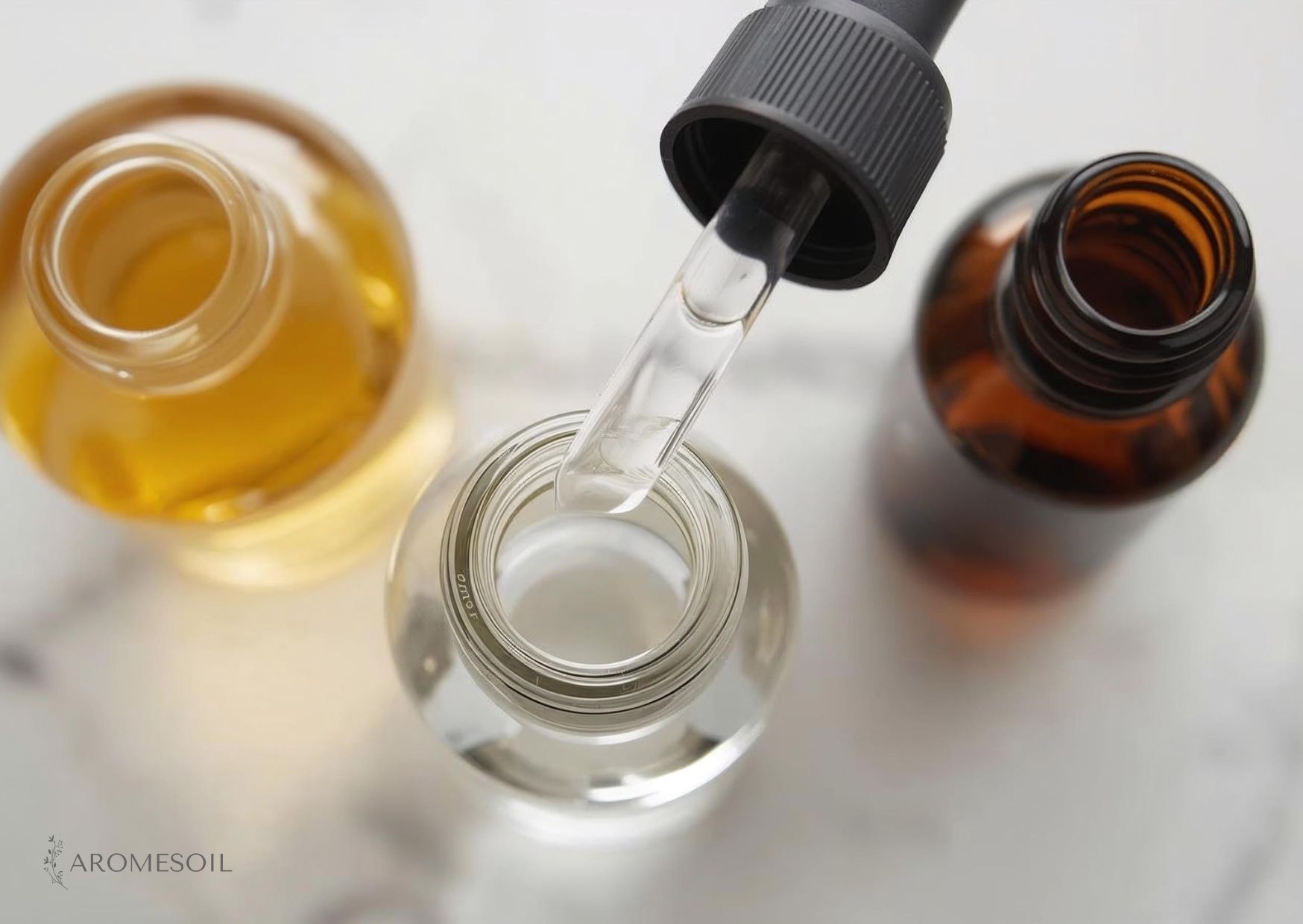
Add the Essential Oils
Add the essential oil drops after measuring your carrier oil. Always follow standard dilution guidelines (listed below).
-
Blend Your Oils Properly
Gently swirl or roll the bottle between your hands. Avoid shaking vigorously to prevent excess air bubbles.
-
Perform a Patch Test
Before applying a new blend more broadly, test a small amount on an area like the forearm. Discontinue use if irritation or discomfort occurs.
-
Store Your Blend Safely
To help maintain freshness:
- Store in dark amber or cobalt bottles
- Keep away from heat and direct sunlight
- Label with contents and date
What You Should Know Before Mixing Oils
Before you begin blending:
- Essential oils are not intended to diagnose, treat, cure, or prevent any disease.
- Pregnant individuals, children, and those with sensitive skin may require lower dilutions.
- Not all essential oils are ideal for topical use; consult a reputable safety reference.
Essential Oil Dilution Ratios
Below are commonly used aromatherapy dilution ranges for general wellness and sensory enjoyment. They do not represent medical guidelines.
| Purpose | Dilution | Drops per 1 Tbsp (15 mL) Carrier Oil |
| General daily use | 1% | ~3 drops |
| Body oils & massage | 2–3% | ~6–9 drops |
| Short-term, focused blending (aroma only) | 4–5% | ~12–15 drops |
| Sensitive individuals | 0.5% | ~1–2 drops |
| Children (over age 2)* | 0.25–1% | ~1–3 drops |
*Consult a qualified aromatherapist for safe use around children.
Dilution for Everyday Aromatherapy Use
For daily, general-purpose blends, a 1% dilution is often recommended. This provides a light, pleasant aroma suitable for most adults and for regular use.
Dilution for Body Blends and Massage Oils
Massage oils and full-body blends typically use a 2–3% dilution, offering a stronger scent while still remaining suitable for wide-area application. This equals 6–9 drops per tablespoon of carrier oil.
Dilution Guidelines for Kids and Sensitive Individuals
For children and those with sensitive skin, lower dilutions are recommended. A 0.25–1% dilution provides a gentler aromatic experience. Always perform a patch test before wider use.
Frequently Asked Questions
Can You Mix Carrier Oils Together?
Yes. Many people combine carrier oils to create custom textures—like blending jojoba for smoothness with grapeseed for faster absorption.
How Much Essential Oil to Add to 1 Tablespoon of Carrier Oil?
For a standard 2% blend, add 6 drops of essential oil to 1 tablespoon (15 mL) of carrier oil.
Can Essential Oils Be Used Without a Carrier Oil?
Topical use without dilution is generally not recommended because essential oils are highly concentrated and may cause irritation. Carrier oils help make application more comfortable.
Do Carrier Oils Expire Faster?
Carrier oils vary in shelf life. Some, like grapeseed oil, oxidize more quickly, while others, like fractionated coconut oil, last much longer. Store all oils properly to help maintain freshness.
Explore Our Carrier and Essential Oils
If you’re ready to begin blending, explore our selection of pure carrier oils and high-quality essential oils curated for safe, enjoyable aromatherapy use. Choose from skin-friendly base oils, beginner-friendly essential oils, and ready-to-mix aromatherapy accessories.