Hydrosols, also known as hydrolats, are the gentle, aromatic waters created during the distillation of essential oils. These botanical infusions capture the essence of plants in a milder form, making them perfect for a wide range of uses, from skincare to home freshness. In this article, we’ll explore what hydrosols (or hydrolats) are, their many applications, and the unique qualities of some popular types, including rose, lavender, and neroli hydrosols.
What Is a Hydrosol?
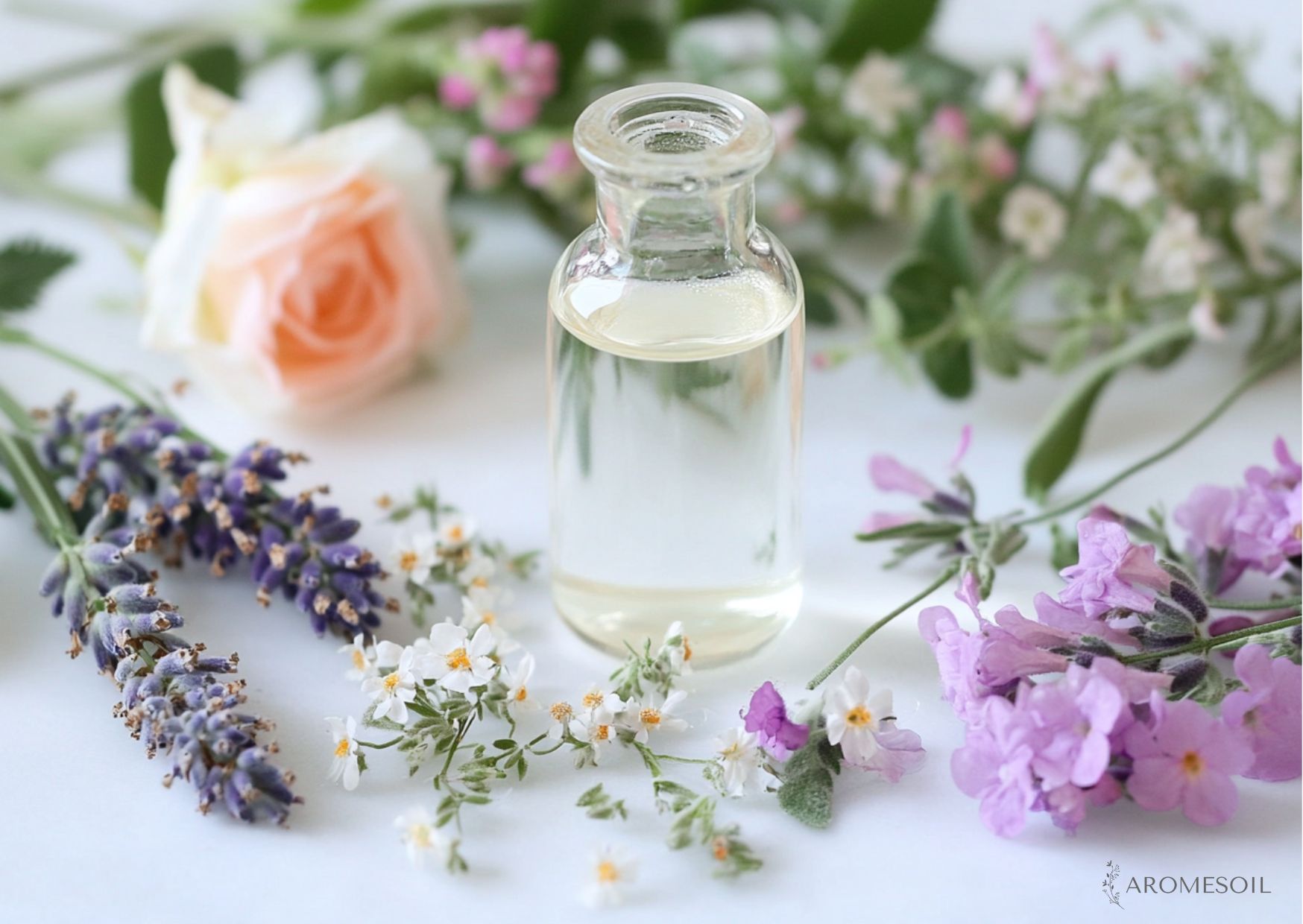
A hydrosol, also known as floral water, is a natural byproduct of steam distillation, the process used to create essential oils. During distillation, steam passes through plant material, releasing the plant’s aromatic compounds and producing both essential oil and a milder, water-based form called the hydrosol. Unlike highly concentrated essential oils, a hydrosol contains water-soluble properties and only small traces of essential oils, making it gentle enough for direct application, even on sensitive skin.
How to Use Hydrosols
Hydrosols offer a versatile range of uses that bring the essence of plants into daily life. Here are a few popular ways to incorporate hydrosols:
- Skin Toner: Hydrosols make excellent toners, adding a light layer of hydration and refreshment to the skin.
- Room Spray: Spritz hydrosols to freshen up a room naturally.
- Linen Mist: Add a calming scent to bedding and towels with a light mist of hydrosol.
- DIY Skincare: Mix hydrosols into lotions, face masks, or other natural skincare products for added botanical benefits.
Popular Types of Hydrosols and Their Unique Qualities
Each hydrosol has distinct characteristics based on the plant it originates from. Here’s a closer look at some popular hydrosols and their unique aromas and uses.
Neroli (Orange Blossom) Hydrosol
Neroli hydrosol, often called orange blossom water, is cherished for its delicate, uplifting floral scent. It’s ideal as a facial mist or as an ingredient in homemade lotions.
- Key Uses: Skin toner, refreshing aroma, and DIY skincare.
- Aroma Profile: Sweet, floral, and slightly citrusy.
Eucalyptus Hydrosol
Eucalyptus hydrosol provides a crisp, refreshing aroma, making it a favorite for air freshening. It’s perfect for those who enjoy a fresh, clean scent.
- Key Uses: Room spray, linen mist, and foot soaks.
- Aroma Profile: Fresh, invigorating, and slightly herbal.
Cistus (Rock Rose) Hydrosol
Cistus, or rock rose hydrosol, has a unique, slightly earthy fragrance. Its gentle qualities make it suitable as a face toner and mist.
- Key Uses: Skin toner, meditation support, and room spray.
- Aroma Profile: Earthy, slightly sweet, and warm.
Lavender Hydrosol
Lavender hydrosol is a popular choice for its light, calming scent. It’s well-loved as a skin toner and is gentle enough for all skin types.
- Key Uses: Facial mist, linen spray, and DIY skincare.
- Aroma Profile: Floral, herbaceous, and soothing.
Rose Hydrosol
Rose hydrosol, or rose water, is a classic floral water with a soft, romantic scent. It’s commonly used as a facial toner, adding a hint of hydration to skincare routines.
- Key Uses: Skin toner, room freshener, and DIY beauty products.
- Aroma Profile: Sweet, floral, and slightly fruity.
Why Choose Hydrosols?
Hydrosols offer a mild and versatile alternative to essential oils, providing the essence of plants in a gentle form. They’re easy to use, affordable, and safe for daily use on the skin and around the home. By choosing hydrosols, you can enjoy the natural aromas and properties of plants without the concentrated strength of essential oils.
Final Thoughts on Hydrosols
Hydrosols bring the botanical world closer to our everyday lives. Whether you’re new to natural skincare or looking to freshen up your home with natural aromas, hydrosols are a fantastic option to explore. With a variety of types to choose from, there’s a hydrosol for every preference and purpose.