Learn the best practices to store essential oils effectively, helping to preserve its quality and aroma. These natural products can be sensitive to light, heat, and air, so understanding the best storage practices will help ensure they remain fresh and potent.
Why Proper Storage Matters
Keeping essential oils in optimal conditions ensures their fragrance remains fresh and enjoyable. Proper storage helps maintain the quality of essential oils. Here’s why careful storage makes a difference and how to keep your oils at their best.
Tips for Storing Essential Oils
1. Use Dark Glass Bottles
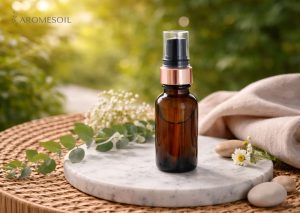
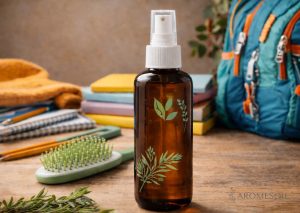
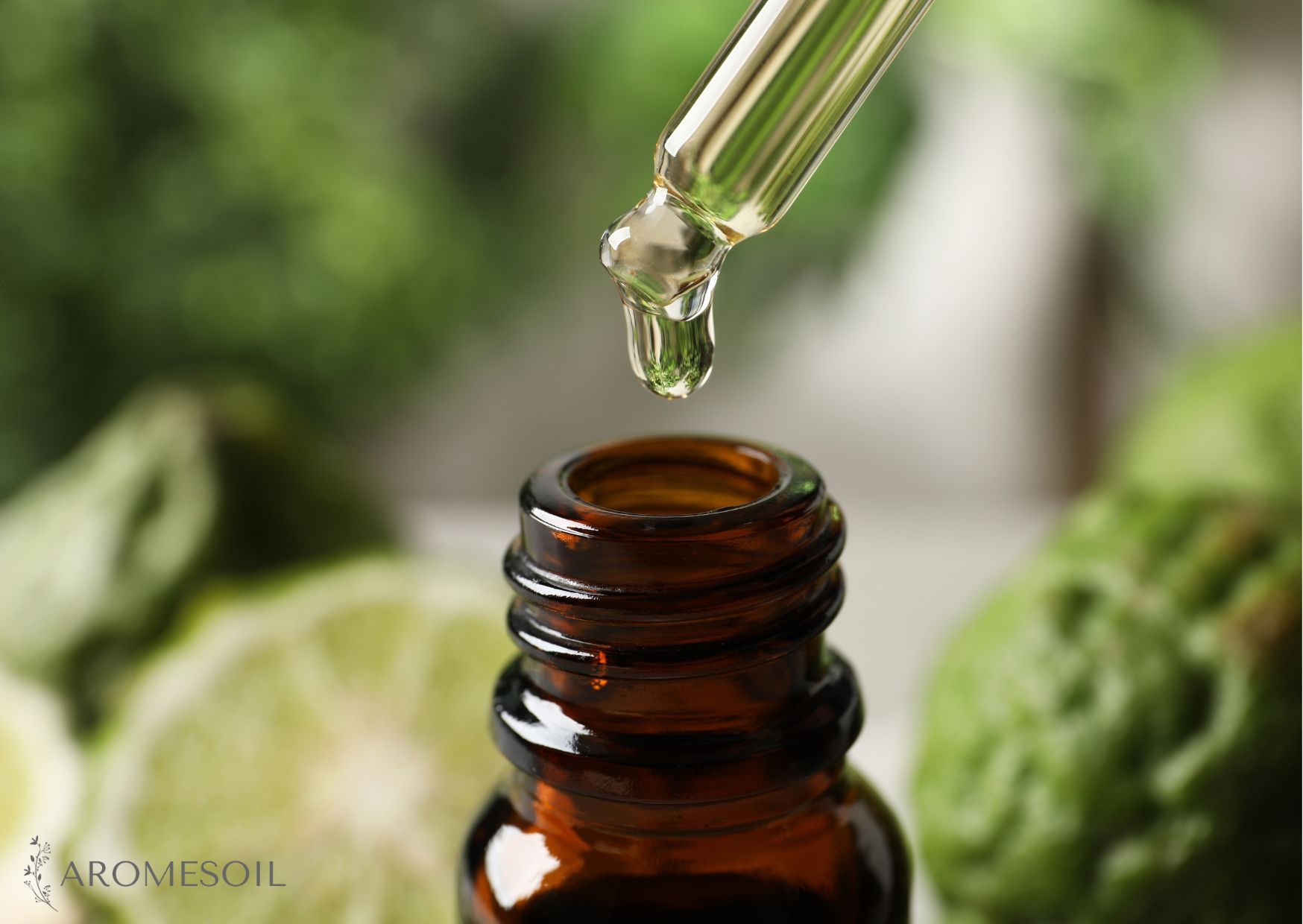
Always store essential oils in dark glass bottles, typically amber or cobalt blue. These bottles protect the oils from UV light, which can cause the oils to degrade. Avoid using plastic containers as essential oils can break down plastic over time, leading to contamination.
2. Store in a Cool, Dry Place
Essential oils should be kept in a cool, dry place, away from direct sunlight and heat sources. A cabinet or drawer in a room with a stable temperature is ideal. Fluctuating temperatures can affect the chemical composition of the oils, reducing their efficacy.
3. Ensure Tight Sealing
Always ensure that the bottles are tightly sealed after each use. Exposure to air can lead to oxidation, which can deteriorate the quality of the oil. Using an airtight lid helps maintain the oil’s integrity.
4. Refrigeration for Citrus Oils
Citrus essential oils, such as orange, lemon, bergamot, and grapefruit, are particularly prone to oxidation. During warmer months, or in regions with high temperatures, it is recommended to store these oils in the refrigerator. The ideal storage temperature for citrus oils is between 5°C and 10°C (41°F and 50°F).
5. Keep Away from Children
Essential oils are potent and can be harmful if ingested or improperly handled by children. Always store them out of reach of children to prevent accidental ingestion or misuse.
6. Use Smaller Bottles for Frequent Use
If you use certain oils regularly, consider transferring them into smaller bottles. This minimizes the exposure to air each time you open the bottle, preserving the oil’s quality.
7. Label Bottles Correctly
Ensure all bottles are correctly labeled with the type of oil and the date of purchase. This helps you keep track of their age and potency, as some oils may have a shorter shelf life than others.
8. Avoid Storing in Bathrooms
Bathrooms tend to have high humidity and fluctuating temperatures, which are not ideal for storing essential oils. Instead, choose a more stable environment to maintain the oils’ quality.
Conclusion
Proper storage of essential oils is essential to preserve their quality and extend their shelf life. By following these tips, you can help ensure that your essential oils remain effective and fragrant for as long as possible. Remember, the key factors are using dark glass bottles, keeping them in a cool, dry place, ensuring they are tightly sealed, and taking extra care with citrus oils. Always keep your oils out of reach of children and label them appropriately to keep track of their freshness.