Essential oils have become an important part of the modern spa experience. From the moment guests enter a treatment room, aroma can help define the atmosphere and create a distinctive sensory identity.
Floral, citrus, herbal, woody and fresh aromatic notes can be incorporated into different spa environments, from reception areas and relaxation rooms to massage rituals and body treatments.
But with so many botanical options available, what are the best essential oils for spa use?
In this guide, we explore some of the most popular essential oils for professional spa environments, how their aromatic profiles differ, and what spa professionals should consider when selecting essential oils for their treatments.
What essential oils are commonly used in spas?
Some essential oils have become spa classics because their aromas naturally complement wellness environments.
Among the most commonly used are lavender, eucalyptus, bergamot, peppermint and cedar essential oils.
Each creates a different sensory experience. Lavender offers a soft floral character, eucalyptus provides a clean and fresh aroma, bergamot introduces bright citrus notes, peppermint creates an intensely fresh aromatic sensation, while cedar adds warmth and depth.
For spa professionals, choosing the right oil is therefore not simply about selecting a pleasant fragrance. It is about creating an aromatic experience that complements the treatment, the space and the identity of the spa.
Best essential oils for spa environments
Lavender essential oil
Lavender essential oil is one of the most recognizable essential oils used in professional wellness environments.
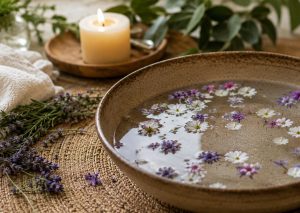
Its floral, herbaceous and softly aromatic profile works particularly well in quiet treatment rooms and spa rituals designed around a calm and comfortable atmosphere.
Lavender also blends beautifully with citrus, herbal and woody aromas, making it a versatile ingredient for creating signature spa blends.
Aromatic profile: floral, herbaceous and soft
Ideal spa atmosphere: calm, elegant and comforting
Pairs well with: bergamot, cedar and eucalyptus
Eucalyptus essential oil
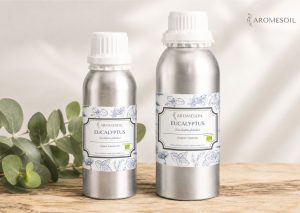
Fresh and unmistakable, eucalyptus essential oil can give a spa environment a crisp, clean aromatic character.
Its distinctive green and refreshing aroma works particularly well in contemporary spas, steam-inspired rituals and wellness spaces where a fresh sensory atmosphere is desired.
Because eucalyptus has a strong aromatic presence, a relatively small amount can have a noticeable impact on a blend.
Aromatic profile: fresh, green and camphoraceous
Ideal spa atmosphere: clean, fresh and invigorating
Pairs well with: lavender, peppermint and citrus oils
Bergamot essential oil
For spas looking for a sophisticated citrus aroma, bergamot essential oil is an excellent option.
Unlike sharper citrus profiles, bergamot combines fresh citrus notes with a softer, slightly floral character. This makes it particularly suitable for premium spa environments where the objective is to create a bright yet refined aromatic experience.
It can also act as a bridge between floral and woody notes in more complex spa blends.
Aromatic profile: citrus, fresh and slightly floral
Ideal spa atmosphere: bright, elegant and welcoming
Pairs well with: lavender, cedar and other citrus oils
Peppermint essential oil
Peppermint essential oil offers one of the freshest aromatic profiles used in spa environments.
Its intense mint character can add a crisp sensory element to selected spa rituals and aromatic blends. For this reason, it is particularly useful when creating a fresh, energetic spa atmosphere.
Its aromatic intensity also means that professional formulators should carefully consider the amount used within a finished blend.
Aromatic profile: minty, cool and intense
Ideal spa atmosphere: fresh and energizing
Pairs well with: eucalyptus, lavender and selected citrus oils
Cedar essential oil
Woody aromas can bring depth and character to a spa environment, and cedar essential oil is an excellent example.
Its warm, dry and woody notes are particularly suitable for spas inspired by nature, forests or earthy interiors.
Cedar also combines easily with floral and citrus notes, making it a useful base aroma for more sophisticated spa blends.
Aromatic profile: woody, warm and dry
Ideal spa atmosphere: warm, natural and grounding
Pairs well with: lavender and bergamot
What is the best essential oil for massage therapy in spas?
There is no single essential oil that works for every professional massage experience.
The best choice depends on the type of treatment, desired aroma, other ingredients in the formulation and the overall sensory experience the spa wants to create.
Essential oils intended for massage are typically incorporated into an appropriately formulated carrier or finished massage product rather than applied directly to the skin.
For relaxing massage treatments
For massage rituals built around a quiet and soothing spa atmosphere, softer aromatic profiles are often preferred.
Lavender offers a classic floral-herbal aroma, while bergamot can introduce a delicate citrus element. Cedar can add a warm woody base to create a more complex fragrance.
A combination of floral, citrus and woody notes can create an elegant signature aroma for premium massage treatments.
For refreshing and revitalizing massages
For a fresher sensory experience, peppermint and eucalyptus provide distinctive aromatic profiles.
They can be particularly interesting for spa concepts built around freshness, energy or contemporary wellness experiences.
Because these oils have powerful aromas, careful formulation is important to maintain a balanced fragrance.
For a warm, grounding spa experience
Woody essential oils such as cedar can help create a warm, natural aromatic environment.
Combining cedar with softer floral notes such as lavender or a refined citrus aroma such as bergamot can create a layered fragrance particularly suited to nature-inspired spas and premium wellness rituals.
How to choose essential oils for your spa
Selecting the best essential oils for a spa involves more than choosing your favorite fragrance. Professional buyers should consider how the ingredient will be used, its quality and documentation, and the quantities required for day-to-day operations.
Match the oil to the treatment and spa area
Start by considering where and how the aroma will be experienced.
A reception area may benefit from a bright and welcoming aromatic profile, while massage rooms may call for softer, more subtle fragrances.
Spas can also create different aromatic identities for specific areas or treatments. Citrus notes might define one treatment room, while floral or woody aromas can be reserved for another.
This approach can help create a more memorable and consistent guest experience.
Consider purity, origin and product documentation
For professional use, price should not be the only consideration.
Spa buyers and formulators should also evaluate the botanical name, botanical origin, extraction method, batch information and available technical documentation.
Working with a specialized essential oil supplier can make it easier to obtain consistent information from one batch to another and select ingredients according to the requirements of each professional application.
Choose formats that suit professional use
Professional spas generally consume essential oils differently from individual consumers.
Instead of repeatedly purchasing small retail bottles, businesses with regular consumption may benefit from professional or bulk essential oil formats.
Choosing the appropriate format can simplify inventory management and purchasing while reducing unnecessary packaging.
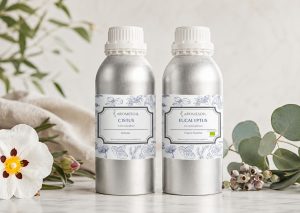
At Aromesoil, essential oils are available in different professional formats, making it possible for spas, formulators and wellness businesses to select quantities according to their actual requirements.
Using essential oils safely in a professional spa
Essential oils are highly concentrated botanical ingredients, so professional use requires careful handling and appropriate formulation.
For applications involving the skin, essential oils should be incorporated into properly formulated products at suitable concentrations rather than being automatically applied undiluted.
Spa professionals should also consider the characteristics of each individual essential oil, the intended application, the concentration used and the relevant technical and safety information supplied with the ingredient.
Particular attention should be given to essential oils with specific usage considerations, including certain citrus oils in products intended for skin application.
Good professional practice also includes following supplier instructions, maintaining batch traceability, storing essential oils correctly and keeping appropriate product documentation available.
Frequently asked questions about essential oils for spas
Should spas buy essential oils in bulk?
For spas with regular consumption, buying essential oils in professional formats can be practical.
Larger formats can simplify purchasing and inventory management, particularly when the same oils are used regularly across massage products, spa rituals or aromatic environments.
However, purchasing quantities should always reflect expected consumption and appropriate storage conditions.
Can essential oils be applied directly during a massage?
Essential oils are highly concentrated and should not automatically be applied directly to the skin.
For massage applications, they are generally incorporated at an appropriate concentration into a suitable carrier or professionally formulated massage product.
The characteristics and recommended use of the individual essential oil should always be considered when developing a formulation.
Can the same essential oil be used for diffusion and massage?
Potentially, but the suitability of an essential oil depends on the intended application.
Using an essential oil to create an ambient aroma is different from incorporating it into a product that will come into contact with the skin.
Professional spas should therefore evaluate each application separately and follow the relevant product information and formulation requirements.
How should a spa choose between organic and conventional essential oils?
Both organic and conventional essential oils can be suitable for professional spa environments.
The decision may depend on the spa’s positioning, sourcing policy, customer expectations and formulation requirements.
For spas that place organic sourcing at the center of their brand identity, certified organic essential oils can be particularly relevant. Other businesses may prioritize botanical origin, aromatic profile, consistency, availability or price.
In either case, traceability and reliable documentation are important considerations when selecting a professional essential oil supplier.
Find the right essential oils for your spa with Aromesoil
Choosing the best essential oils for your spa starts with understanding the aromatic experience you want to create.
From the timeless floral character of lavender to the freshness of eucalyptus and peppermint, the citrus elegance of bergamot, or the warm woody character of cedar, each botanical offers a different way to shape the sensory identity of your spa.
At Aromesoil, we supply essential oils for professional customers looking for quality, traceability and flexible purchasing options.
Our range includes conventional and certified organic essential oils, with different professional formats available for spas, wellness businesses, cosmetic manufacturers and formulators.
Whether you are developing a signature spa aroma, sourcing ingredients for professional massage formulations or looking for larger quantities for regular use, our team can help you identify the oils and formats that best suit your business.
Discover Aromesoil’s professional essential oil range and create an aromatic experience that makes your spa memorable.