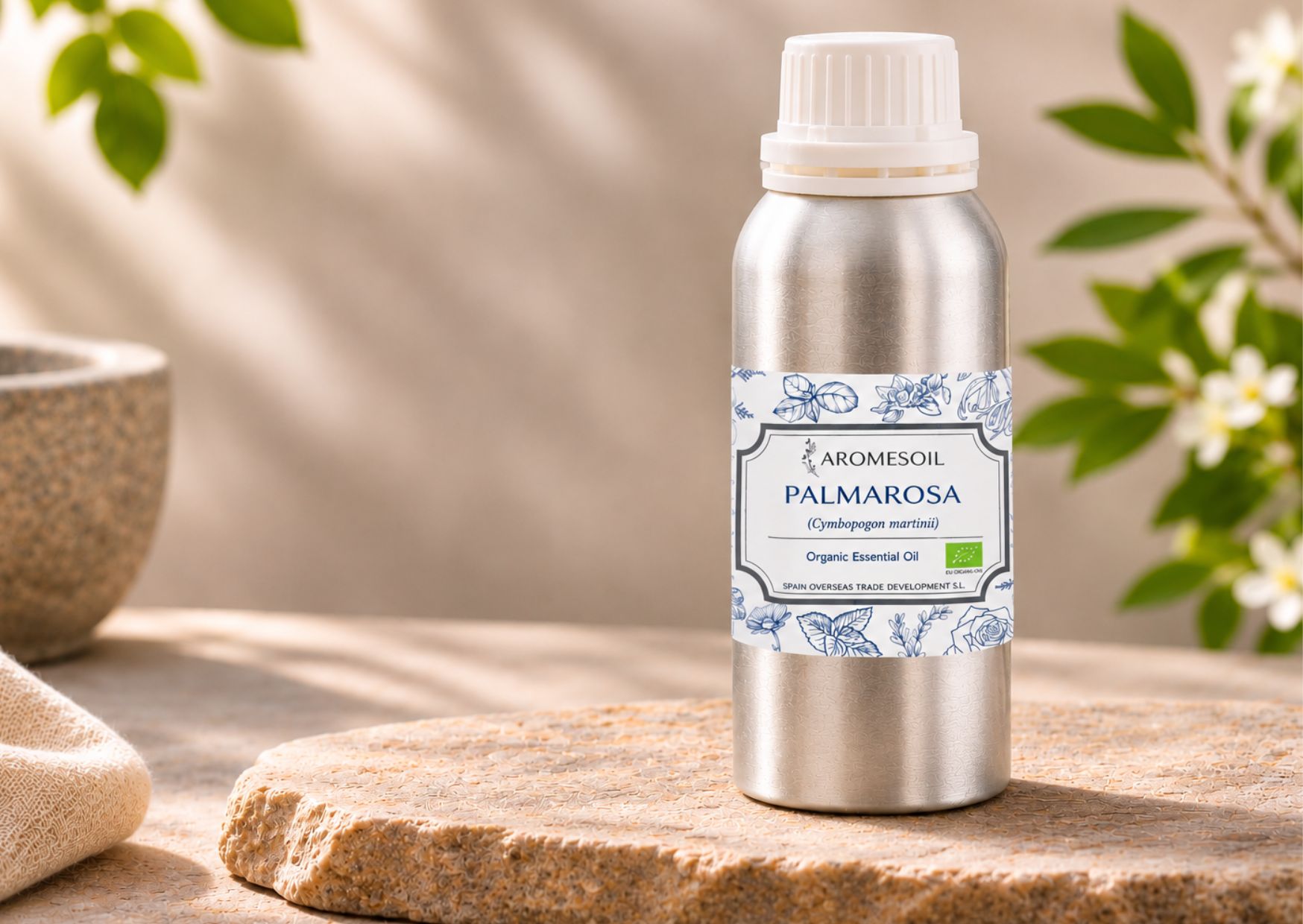
Choosing the right essential oil supplier is essential for businesses that depend on natural botanical ingredients. Whether you manufacture cosmetics, aromatherapy products or fragrances, your supplier directly influences product quality, consistency and production reliability.
But how do you identify a trustworthy supplier? Beyond pricing, you should consider essential oil purity, technical documentation, traceability, certifications and supply capacity.
In this guide, we explain how to choose an essential oil supplier and the seven key factors to evaluate before buying essential oils in bulk.
7 Key Factors to Consider When Choosing a Supplier
-
Verify Essential Oil Quality and Authenticity
Quality should be your first priority. Essential oils are natural products whose composition varies depending on the plant species, growing conditions and extraction process.
A reliable supplier should provide accurate product identification and relevant analytical information.
Check the Botanical Name, Plant Part, Extraction Method and Country of Origin
Before purchasing, verify these essential details:
- Botanical name: For example, Lavandula angustifolia for true lavender.
- Plant part: Flowers, leaves, roots, bark or seeds.
- Extraction method: Steam distillation, cold expression or another appropriate method.
- Country of origin: Where the botanical raw material comes from.
- Chemotype: When relevant, particularly for oils such as rosemary or thyme.
These details help ensure that you are purchasing the correct essential oil for your intended application.
Understand How to Assess Purity and Authenticity
A pure essential oil should not contain undeclared synthetic fragrances, carrier oils or other adulterants.
GC/MS analysis (Gas Chromatography–Mass Spectrometry) is commonly used to examine essential oil composition and identify many of its volatile compounds.
However, GC/MS alone cannot detect every form of adulteration. Additional testing and traceability checks may be necessary.
Tip: Request analytical documentation for the specific batch you intend to purchase.
-
Review Technical Documentation and Compliance Requirements
Technical documentation is essential for manufacturers who need to verify raw material quality and meet regulatory requirements.
Understand the Difference Between GC/MS Reports, COAs and SDSs
These three documents serve different purposes:
- GC/MS Report: Identifies many of the volatile compounds present in an essential oil and provides information about its chemical profile.
- COA (Certificate of Analysis): Records analytical results and relevant quality parameters, such as density, refractive index or chemical composition.
- SDS (Safety Data Sheet): Provides information about hazards, safe handling, storage and transport.
A professional supplier should explain which documents are available for each product.
Check Batch-Specific Testing and Documentation
Essential oils can vary naturally between batches, making batch-specific documentation particularly important.
Check that analytical reports include the batch number, product identification and relevant test results.
This helps manufacturers maintain traceability and verify that incoming raw materials meet their specifications.
Verify Certifications and Standards Relevant to Your Industry
Depending on your market, relevant certifications and requirements may include:
- EU Organic: For certified organic products marketed in the European Union.
- USDA NOP: For organic products intended for the US market.
- Kosher: For businesses requiring Kosher-certified ingredients.
- ISO standards: Relevant specifications and analytical methods.
- REACH and CLP: Applicable European chemical regulations.
Always verify that the specific essential oil is covered by the relevant certification.
At Aromesoil, we offer essential oils with EU Organic and USDA NOP certification, as well as Kosher-certified options, depending on the product.
-
Evaluate Sourcing Practices and Traceability
Knowing where your essential oils come from is essential for maintaining quality and responsible sourcing.
Check Where and How Raw Materials Are Sourced
A transparent supplier should be able to explain where its plants are cultivated and how the oils are produced.
Working directly with growers and distilleries can improve visibility over harvesting, extraction and quality practices.
At Aromesoil, we collaborate with producers in Spain, particularly in Castilla-La Mancha and Mediterranean regions, supporting traditional aromatic plant cultivation and rural communities.
Confirm Traceability from Origin to Finished Batch
A reliable supplier should maintain records linking the raw material, production process and finished batch.
Traceability helps manufacturers manage quality control, investigate potential issues and maintain consistent production standards.
-
Compare Bulk Pricing, Minimum Order Quantities and Shipping Costs
Price matters, but the cheapest essential oil is not always the best choice.
When comparing suppliers, consider product quality, purchasing flexibility and total delivery costs.
Understand Why Prices Vary Between Essential Oils
Essential oil prices depend on several factors:
- Botanical species and oil yield.
- Harvesting and distillation costs.
- Country of origin.
- Organic certification.
- Seasonal availability and market demand.
For example, citrus essential oils are generally more affordable than rose, neroli or Melissa oils, which require more intensive production.
Unusually low prices for expensive oils should encourage additional quality checks.
Calculate the Total Cost Beyond the Price per Kilogram
When purchasing bulk essential oils, consider:
- Minimum order quantities (MOQs).
- Packaging formats.
- Shipping and insurance.
- Dangerous goods surcharges, where applicable.
- Customs duties and delivery terms.
- Any additional documentation costs.
At Aromesoil, we offer flexible packaging options, including 250 ml, 500 ml, 1 kg, 5 kg and larger bulk quantities, to suit different business requirements.
-
Request Samples Before Placing a Bulk Order
Testing samples before committing to a large purchase helps ensure that an essential oil meets your formulation and quality requirements.
What to Evaluate When Testing Essential Oil Samples
When evaluating samples, focus on:
- Aroma: Does it match the expected aromatic profile?
- Appearance: Are the colour and physical characteristics appropriate?
- Chemical composition: Does the available analytical documentation meet your requirements?
- Formulation compatibility: Does the oil perform as expected in your finished product?
- Batch consistency: Does the sample represent the batch you intend to purchase?
Tip: Keep an approved reference sample for future quality comparisons.
-
Check Supply Capacity, Lead Times and Batch Consistency
A reliable essential oil wholesale supplier should deliver consistent quality while meeting your production schedules.
Assess Stock Availability and Delivery Reliability
Before ordering, confirm:
- Normal stock availability.
- Standard preparation and delivery times.
- Capacity to fulfil recurring or larger orders.
- Procedures for managing supply disruptions.
- International shipping options.
Some essential oils are classified as dangerous goods for transport, requiring specific packaging and shipping arrangements.
Working with an experienced international supplier can help avoid unnecessary delays.
Understand Natural Variations Between Production Batches
Climate, harvesting conditions and distillation methods can affect essential oil composition.
Small variations between batches are normal, but each batch should meet agreed quality specifications.
Consistent quality standards matter more than identical chemical profiles across every production batch.
-
Assess Technical Support and Communication
Good communication is essential when building a long-term supplier relationship.
Choose a supplier that responds promptly, provides clear technical information and communicates transparently about stock, pricing and delivery conditions.
A reliable supplier should also support your documentation needs and help resolve potential quality or logistics issues.
The best essential oil supplier combines product quality, transparency and dependable customer service.
Warning Signs of an Unreliable Supplier
Certain warning signs should encourage you to investigate further before placing an order:
- Missing botanical information: Unclear species, origin or extraction method.
- Incomplete technical documentation: Unavailable or inconsistent COAs, GC/MS reports or SDSs.
- Unusually low prices: Particularly for rare or expensive essential oils.
- Unsupported purity claims: Terms such as “therapeutic grade” do not represent a universally recognised official certification.
- Poor traceability: Missing batch numbers or production records.
- Unclear certifications: Certificates that cannot be verified or do not cover the product.
- Poor communication: Delayed responses or inconsistent information.
A trustworthy supplier should be transparent and willing to clarify any concerns before you purchase.
Questions to Ask Before Buying Essential Oils in Bulk
Before choosing an essential oil supplier, ask these four questions to minimise purchasing risks and ensure a reliable long-term partnership.
Can You Provide Quality Reports for the Specific Batch I Will Receive?
Ask whether the supplier can provide a batch-specific COA and GC/MS report, where available, together with the relevant product specifications.
Make sure the documentation corresponds to the batch being supplied, rather than relying only on generic product information.
What Happens if the Delivered Oil Differs From the Approved Sample?
Natural variations between batches are expected, but the delivered oil should meet the agreed specifications.
Check the supplier’s procedures for quality complaints, additional testing, product replacement or returns.
Keeping an approved reference sample can help resolve potential discrepancies.
How Do You Handle Supply Shortages or Delivery Delays?
Agricultural conditions, seasonal availability and transport restrictions can affect essential oil supplies.
Ask how the supplier communicates potential delays, manages stock shortages and supports recurring orders.
For regular production needs, sharing estimated annual volumes can improve supply planning.
What Are Your Minimum Order Quantities and Payment Terms?
Clarify the supplier’s minimum order quantities, available packaging sizes, payment conditions and shipping costs.
Also ask whether different essential oils can be combined in one order and whether volume discounts are available.
Tip: Compare the total purchasing cost, not just the price per kilogram.
Find the Right Essential Oils for Your Business
Choosing the right essential oil supplier means finding a partner that combines quality, traceability, reliable supply and professional support.
At Aromesoil, we specialise in supplying 100% pure and natural essential oils, including certified organic options, to manufacturers, formulators and professional buyers worldwide.
Based in Spain, we work closely with growers and distilleries, offering Spanish essential oils such as lavender, rosemary, thyme and cistus, alongside a wider selection of internationally sourced botanical ingredients.
We provide flexible packaging options, technical documentation and personalised support to help businesses source essential oils with confidence.
Looking for a reliable essential oil supplier?
Explore our range of essential oils or contact Aromesoil to request a quotation, samples or technical documentation for your next project.