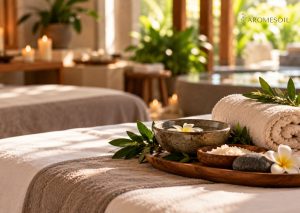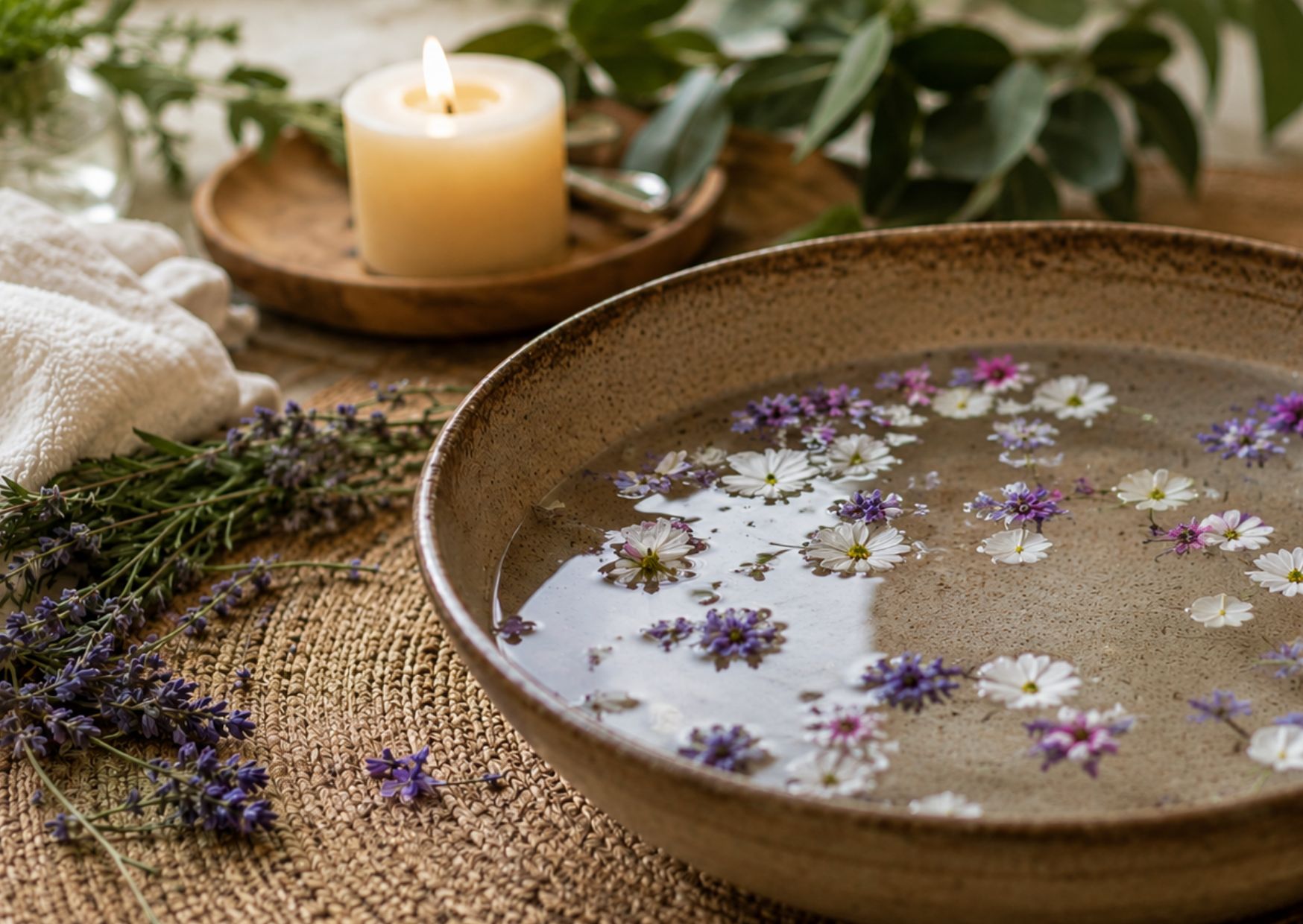
Creating a memorable foot spa experience is about more than the treatment itself. Aroma, texture and atmosphere can transform a simple pedicure or foot-care ritual into a distinctive sensory experience.
For professional spas, wellness centres, beauty salons and cosmetic brands, essential oils offer a versatile way to introduce natural botanical aromas into foot spa rituals. From the soft floral character of lavender to the unmistakable freshness of peppermint, each essential oil can contribute its own aromatic personality.
In this guide, we explore some of the best aromatherapy oils for foot spa experiences, how to select them for professional applications and important considerations when incorporating essential oils into cosmetic and wellness formulations.
What makes an oil suitable for a professional foot spa?
When choosing essential oils for professional foot spa treatments, aroma is only one consideration. Spas and formulators should also evaluate the oil’s quality, botanical identity, consistency, traceability and suitability for the intended formulation.
The aromatic profile should complement the experience you want to create. Floral aromas can contribute to a soft and elegant ambience, while minty, herbal or citrus notes can create a brighter and fresher sensory impression.
For professional applications, consistency is particularly important. Spas and wellness brands often require essential oils that can provide a recognisable aromatic profile from one batch or treatment to another.
It is also important to remember that essential oils are concentrated aromatic ingredients. Their botanical origin does not automatically mean that they are suitable for every application or that they should be applied undiluted to the skin.
Best aromatherapy oils for foot spa rituals
There is no single essential oil that works for every spa concept. The best choice depends on the desired aromatic profile, the other ingredients in the formulation and the overall character of the treatment.
Here are six popular aromatic directions to consider.
Lavender essential oil for a soft floral experience
Lavender essential oil is one of the most recognisable ingredients in professional aromatherapy and spa environments.
Its characteristic floral and herbaceous aroma makes it particularly suitable for elegant foot spa rituals where a soft, botanical fragrance is desired.
Lavender can work beautifully in aromatic foot-care formulations and blends combining floral, herbal and citrus notes. Its familiar fragrance also makes it an accessible choice for spas developing treatments intended for a broad clientele.
For a more sophisticated aromatic profile, lavender can be combined with complementary notes such as rosemary, eucalyptus or selected citrus essential oils.
Peppermint essential oil for a fresh aromatic touch
Peppermint essential oil offers an intense, crisp and instantly recognisable minty aroma.
Its aromatic strength means that even a carefully controlled amount can have a significant influence on the fragrance profile of a formulation.
For foot spa and pedicure experiences, peppermint is particularly interesting when the objective is to create a fresh, vibrant and contemporary sensory character.
Its minty notes can also be paired with eucalyptus, rosemary or citrus aromas to create sophisticated professional spa blends.
Eucalyptus essential oil for a clean spa atmosphere
The distinctive aromatic character of eucalyptus essential oil makes it a popular choice for modern spa environments.
Fresh, green and penetrating, eucalyptus can contribute to the perception of a clean and invigorating spa atmosphere without requiring therapeutic positioning.
Its aroma pairs particularly well with herbal and minty essential oils. A combination of eucalyptus, rosemary and peppermint, for example, can create a crisp botanical fragrance profile for professional foot-care rituals.
When selecting eucalyptus essential oil, professionals should pay attention to the botanical species and chemical profile, as different eucalyptus oils can have noticeably different aromatic characteristics.
Rosemary essential oil for herbal foot care blends
Rosemary essential oil brings a distinctive herbal character to spa and cosmetic formulations.
Its fresh, aromatic profile works particularly well in botanical foot-care concepts and can provide balance to sweeter floral or citrus ingredients.
Rosemary also offers formulators considerable aromatic flexibility. Depending on its botanical and chemical profile, the fragrance can range from intensely herbal to fresher, more camphoraceous notes.
For a Mediterranean-inspired foot spa concept, rosemary can be combined with lavender and selected citrus essential oils to create a sophisticated aromatic identity.
Tea tree essential oil for fresh pedicure aromas
Tea tree essential oil has a strong and characteristic fresh, herbaceous aroma that is widely recognised in personal-care environments.
For cosmetic and spa applications, it can be used primarily as an aromatic ingredient, particularly when creating botanical or fresh fragrance profiles for pedicure rituals.
Because its fragrance is distinctive and powerful, tea tree is often best balanced with softer aromatic notes rather than allowed to dominate a blend.
It is important to avoid presenting tea tree essential oil with claims that it treats fungal infections, athlete’s foot or other medical conditions when the product is being marketed as a cosmetic rather than an approved drug.
Citrus essential oils for a bright spa experience
Lemon, orange, grapefruit and other citrus essential oils can bring brightness and freshness to professional spa rituals.
Their lively aromatic profiles work particularly well in contemporary foot spa treatments and can complement floral, herbal and minty ingredients.
For example, citrus notes can be combined with lavender for a softer aromatic profile or with rosemary and peppermint for a sharper botanical composition.
Formulators should remember that some citrus-derived ingredients can present specific safety considerations depending on their composition, concentration, method of extraction and exposure to sunlight. Appropriate formulation and safety assessment are therefore important.
How to choose aromas for pedicure and wellness treatments
Choosing an essential oil should begin with the sensory experience the spa wants to create.
A soft and elegant treatment might centre on lavender and gentle citrus notes. A fresh botanical ritual could combine peppermint, eucalyptus and rosemary. A Mediterranean-inspired concept might feature lavender, rosemary and citrus aromas.
Professional spas can build their treatments around:
- Floral profiles: lavender and complementary botanical notes.
- Fresh profiles: peppermint and eucalyptus.
- Herbal profiles: rosemary and other aromatic herbs.
- Bright profiles: lemon, orange, grapefruit and related citrus notes.
- Botanical profiles: tea tree combined with softer aromatic ingredients.
This approach allows professionals to communicate the aroma, cosmetic purpose and sensory characteristics.
Safety tips for spas using essential oils in foot treatments
Essential oils are highly concentrated substances and should be incorporated into professional treatments with appropriate attention to safety.
They should not automatically be assumed to be safe simply because they are natural or plant-derived. Certain essential oils or their constituents may cause irritation, sensitisation or other unwanted reactions in some individuals.
Professional spas and cosmetic formulators should therefore:
- Follow appropriate supplier and formulation guidance for the intended use.
- Use concentrations that have been assessed as safe for the specific cosmetic application.
- Avoid assuming that every essential oil can be applied directly to the skin.
- Consider potential sensitivities and relevant precautions.
- Pay particular attention to the safe use of certain citrus oils where sun exposure may be relevant.
- Maintain appropriate product and ingredient documentation.
- Follow applicable cosmetic regulations and professional safety standards.
For finished cosmetic products, the responsible company should ensure that the formulation has adequate safety substantiation and is properly labelled for its intended use.
How to source essential oils for spas and wellness brands
For professional buyers, sourcing essential oils involves more than choosing an attractive fragrance.
Whether purchasing for a spa, cosmetic laboratory, private-label project or wellness brand, consider asking suppliers for information such as:
Botanical name: Precise botanical identification helps distinguish between oils that may share similar common names.
Plant part: Flowers, leaves, peels and other plant materials can produce oils with very different characteristics.
Extraction method: Steam distillation, expression and other methods can influence the resulting essential oil.
Origin and traceability: Professional buyers may require information about sourcing and production.
Batch documentation: Depending on the application and supplier, documentation such as a Certificate of Analysis (COA) can help evaluate identity and quality.
Organic certification: Where organic positioning is important, verify the applicable certification and documentation rather than relying only on marketing terminology.
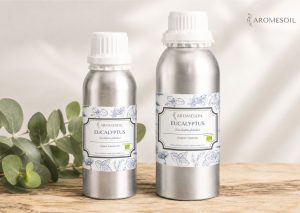
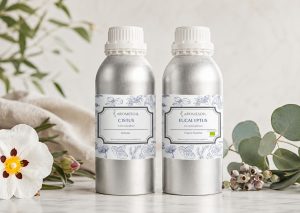
Professional formats: Spas and manufacturers may benefit from suppliers capable of providing different pack sizes, from smaller professional quantities to bulk formats.
Above all, the selected essential oil should be suitable for the intended formulation and accompanied by sufficient technical information for the professional buyer to assess its use.
Frequently asked questions about aromatherapy oils for foot spa
Can essential oils be added directly to foot spa water?
Essential oils are generally not water-soluble, so simply adding drops to water does not necessarily distribute them evenly. Undispersed essential oil may come into direct contact with the skin.
Professional treatments should therefore use an appropriately designed formulation or dispersion system and follow the usage instructions and safety information established for the particular product.
Which essential oils are best for pedicure services?
Lavender, peppermint, eucalyptus, rosemary, tea tree and citrus essential oils are popular aromatic choices for professional pedicure and foot spa concepts.
The best option depends on the desired fragrance and formulation. Lavender provides a softer floral character, peppermint offers pronounced minty freshness, rosemary contributes herbal notes, and citrus oils create a bright aromatic impression.
What is the best oil for foot massage in a spa setting?
For massage, it is important to distinguish between an essential oil and the finished massage product.
Essential oils are concentrated aromatic ingredients and should not automatically be used directly on the skin. Professional massage products may incorporate appropriately selected essential oils into a suitable cosmetic base at a concentration established as safe for the intended application.
From an aromatic perspective, lavender can create a soft floral profile, while rosemary, peppermint or citrus oils can provide fresher and more vibrant fragrance directions.
Why do people put essential oils on the bottom of the feet?
Essential oils are sometimes used on the feet as part of personal-care, massage or aromatic rituals.
However, claims suggesting that applying an essential oil to the soles of the feet will detoxify the body, treat disease, improve circulation, affect internal organs or produce other physiological effects should not be assumed from traditional or anecdotal use.
For professional cosmetic applications, it is more appropriate to focus on the oil’s fragrance, sensory qualities and cosmetic use and to follow suitable formulation and safety guidance.
How can spas choose between organic and conventional essential oils?
The decision depends on the spa’s positioning, customer preferences, formulation requirements, availability and sourcing strategy.
Organic certification can be valuable for brands seeking certified organic ingredients, but “organic” does not automatically mean safer or more effective.
Quality should instead be evaluated through botanical identity, traceability, production standards, appropriate documentation and suitability for the intended cosmetic application.
Create professional foot spa rituals with high-quality essential oils
The best aromatherapy oils for foot spa treatments are those that combine an appealing aromatic profile with reliable quality, traceability and suitability for professional formulation.
Lavender can provide an elegant floral character, peppermint and eucalyptus can create crisp freshness, rosemary introduces aromatic herbal notes, tea tree contributes a distinctive botanical profile and citrus essential oils bring brightness to the overall experience.
For spas, wellness professionals and cosmetic brands, these different aromatic profiles provide numerous possibilities for developing distinctive foot-care rituals and signature spa experiences.
When choosing essential oils, however, fragrance should always be accompanied by careful consideration of quality, intended use, formulation and safety.
Aromesoil can provide professional formats, botanical identification and relevant technical documentation can help spas and wellness brands create consistent, high-quality aromatic experiences for their customers.