Choosing the best essential oils for massage therapy is not just about scent.
For spas, massage therapists and wellness businesses, the right oil affects the full experience: glide, aroma, skin feel and consistency.
In this guide, we review the best oils for massage therapy, including carrier oils and essential oils, plus practical criteria for choosing them in professional settings.
What makes an oil suitable for massage therapy?
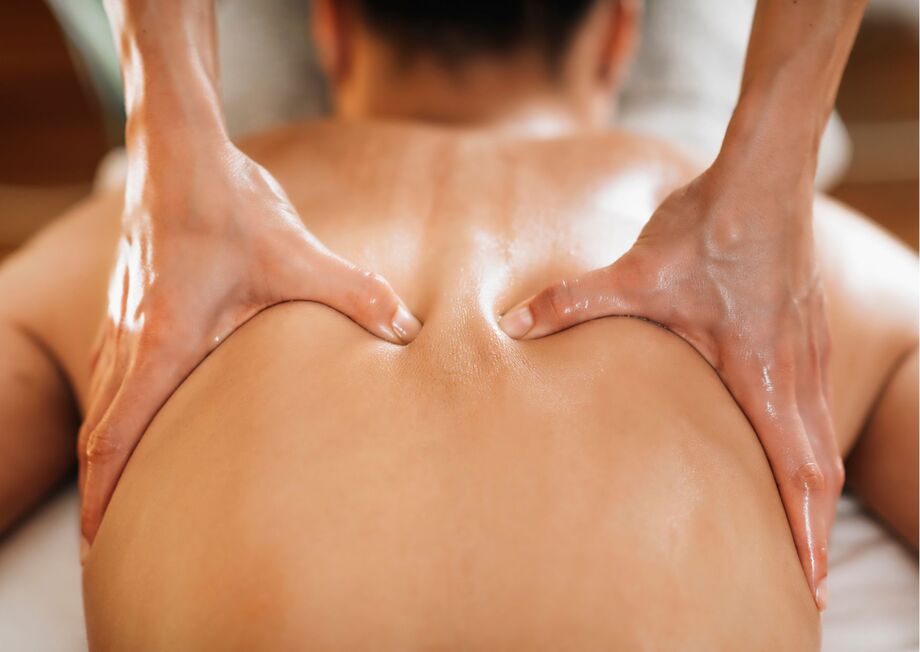
A good massage oil needs to support the therapist’s hands.
It should provide comfortable glide without feeling too heavy, sticky or difficult to work with.
Texture is one of the first things to consider. Some oils stay on the skin longer, while others absorb faster and leave a lighter finish.
For professional massage use, the oil should offer:
- Smooth glide for the therapist’s hands.
- Comfortable skin feel during and after the session.
- Balanced aroma that does not overwhelm the client.
- Proper dilution when essential oils are included.
- Consistent quality for repeated use in spa or wellness settings.
Aroma also matters.
Essential oils can contribute relaxing, fresh, bright or spa-inspired aromatic notes to the massage experience.
For professional use, consistency is important too. Spas and wellness brands often need oils that can be used across multiple treatments without changing the client experience from one session to another.
If your business formulates massage oils, body oils or spa blends, sourcing essential oils in bulk can help keep your formulas more consistent over time.
Best oils for massage therapy: carrier oils and essential oils
Massage blends usually include two types of oils.
- Carrier oils provide glide, texture and skin feel.
- Essential oils are added more selectively to shape the aroma and sensory character of the session.
This distinction matters because essential oils are concentrated aromatic ingredients.
They should normally be diluted before being applied to the skin.
Here are the oils from the original selection that can work well in massage blends.
Almond oil
Almond oil is a classic carrier oil for massage. It offers a smooth, rich glide, which can be useful for longer sessions.
Its mild character makes it easy to pair with essential oils such as lavender, orange or bergamot.
For professional use, therapists should consider client sensitivities. Nut-derived oils may not be appropriate when there is a known allergy or concern.
Jojoba oil
Jojoba oil has a light and polished feel. It is often chosen when a massage blend needs a cleaner, less greasy finish.
Because of its balanced texture, jojoba oil works well in spa formulas and professional body care blends.
It also pairs easily with many essential oils, making it useful for businesses that create different aroma profiles.
Grapeseed oil
Grapeseed oil is known for its lightweight texture and neutral feel.
It can be a good option when the therapist wants glide without a heavy residue.
Its subtle profile allows essential oils to stand out. This makes it especially useful with lavender, peppermint, eucalyptus, orange or bergamot.
Lavender oil
Lavender oil is one of the most popular essential oils for massage blends.
Its soft floral aroma is often used to create a calm and comforting atmosphere.
It fits well in slower, spa-style sessions designed to create a soft and comforting aromatic environment. Like all essential oils, it should be diluted properly before use on the skin.
Peppermint oil
Peppermint oil has a fresh, sharp aroma that is often perceived as cool and crisp.
Because it is intense, it should be used with care and in appropriate dilution.
It can work well in blends designed to feel crisp and refreshing. However, the scent may be too strong for some clients, so balance is important.
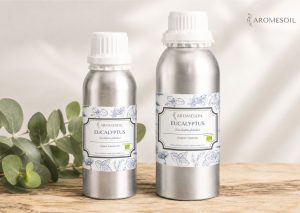
Eucalyptus oil
Eucalyptus oil brings a clean and refreshing scent.
It is often used when a massage blend needs a fresh, spa-like aromatic profile.
A small amount can be enough because eucalyptus has a strong presence. In professional blends, it should be softened with a suitable carrier oil and balanced with the overall formula.
Orange oil
Orange oil adds a sweet, bright citrus note.
It can help create a warm and uplifting massage experience, especially in lighter body oils or spa blends.
Citrus oils should be used thoughtfully. Some expressed citrus oils, including certain types of bergamot oil, may require additional consideration regarding sun or UV exposure. Professionals should review the supplier’s safety documentation, the extraction method and the applicable formulation limits before use.
Bergamot oil
Bergamot oil has a citrus aroma with a softer, slightly floral edge.
It can be useful when a blend needs a fresh but more refined scent.
For massage therapy blends, bergamot should be selected with attention to quality, dilution and intended cosmetic use.
Which essential oils work best for different massage sessions?
The best massage oil for massage therapy depends on the session.
A slow spa massage does not need the same blend as a light, fresh or uplifting treatment.
This table can help organize the selection by experience:
| Type of session | Carrier oil direction | Essential oil direction |
| Relaxing spa massage | Almond oil or jojoba oil | Lavender or bergamot |
| Light body massage | Grapeseed oil or jojoba oil | Orange or lavender |
| Fresh aromatic massage | Jojoba oil or grapeseed oil | Eucalyptus or peppermint |
| Warm uplifting session | Almond oil or grapeseed oil | Orange or bergamot |
| Custom professional blend | Chosen by texture | Chosen by aroma preference |
This is not a fixed formula. It is a practical guide for choosing oils with more intention.
A massage therapist may adjust the blend based on the technique, client preferences, aroma intensity and skin compatibility.
For brands that want selected organic options, organic essential oils can be considered when they fit the formulation, positioning and customer expectations.
What to check before using massage oils with clients
When someone asks “what is the best massage oil,” the real answer depends on the treatment.
A good professional oil should fit the massage style, the client’s comfort and the desired sensory experience.
Before choosing a massage oil, review:
- Glide: does it support the massage technique?
- Absorption: does it leave the right finish?
- Aroma: is the scent pleasant and balanced?
- Skin compatibility: could sensitivities or allergies be relevant?
- Dilution: are essential oils used correctly?
- Consistency: can the blend be repeated across treatments?
For professional use, practicality matters as much as aroma.
A massage oil for massage therapist use should be easy to apply, comfortable for the client and reliable from one session to the next.
Professional safety considerations
Before incorporating essential oils into a massage product, review the supplier’s specifications, safety data, allergen information and recommended formulation limits.
The finished cosmetic product should be appropriately formulated and supported by adequate safety substantiation for its intended conditions of use.
Discontinue use if irritation occurs and avoid contact with the eyes and other sensitive areas.
Additional precautions may be appropriate depending on the specific essential oil and the intended user population.
FAQ about essential oils and massage oils
What is a good massage oil?
A good massage oil offers smooth glide, a pleasant skin feel and an aroma that fits the session.
For many professionals, this means starting with a carrier oil such as almond, jojoba or grapeseed oil.
Essential oils can then be added carefully to create the desired scent.
What is the best massage oil?
There is no single best massage oil for every client or treatment.
Almond oil may work well when richer glide is preferred. Jojoba oil can be useful for a lighter finish. Grapeseed oil may suit blends where a less greasy feel is needed.
The best choice depends on the massage style, client preferences and the professional setting.
What are good massage oils for professional use?
Good massage oils for professional use should offer consistent texture, reliable quality and comfortable application.
Carrier oils such as almond, jojoba and grapeseed are common base options.
Essential oils such as lavender, eucalyptus, peppermint, orange and bergamot can help create different aroma profiles when properly diluted.
What are the best massage oils for massage therapy?
The best massage oils for massage therapy often combine a suitable carrier oil with a carefully selected essential oil.
Lavender can fit softer spa-style blends. Peppermint and eucalyptus can create fresher aromatic profiles. Orange and bergamot can add bright citrus notes.
The right choice depends on the session, the client and the desired sensory experience.
Can essential oils be applied directly during massage?
In most massage settings, essential oils should not be applied directly to the skin without dilution.
They are concentrated and may cause discomfort or sensitivity when used incorrectly.
A carrier oil helps provide glide while allowing essential oils to be used in a more controlled way.
Source quality oils for professional massage blends with Aromesoil
Professional massage blends start with oils that fit your technique, your clients and your brand standards.
Carrier oils provide texture and glide. Essential oils bring aroma, personality and a more memorable sensory experience.
At Aromesoil, we support spas, massage professionals and wellness brands with quality oils for massage blends, spa formulas and aromatic body care products.