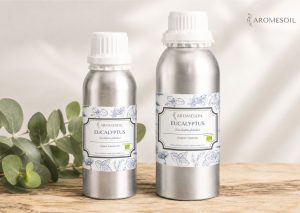
What Is a Pure Essential Oil?
A pure essential oil is a concentrated, volatile aromatic extract obtained exclusively from a single botanical source, without synthetic additives, diluents, carrier oils, or chemical modifications. It is produced using recognized physical extraction methods such as steam distillation, cold pressing, or CO₂ extraction.
From a regulatory standpoint, a pure essential oil must be:
- Derived directly from plant material
- Free from artificial fragrance compounds
- Accurately represented on labeling and documentation
How Professionals Verify Essential Oil Purity?
Professional buyers rely on analytical testing and traceable documentation, not marketing language.
Key verification methods include:
- Gas Chromatography–Mass Spectrometry (GC/MS) to confirm chemical composition
- Organoleptic analysis (appearance, aroma, viscosity)
- Batch-level documentation linking the oil to its harvest and production run
- Adulteration screening for synthetic markers or carrier oils
Reputable suppliers provide current, batch-specific GC/MS reports, not generic or outdated certificates.
What a Legitimate Label Must Include
FDA labeling regulations require essential oil labels to be accurate, non-misleading, and complete. For professional buyers, a legitimate label should include the following critical information.
Latin Name, Plant Part, and Extraction Method
A proper label must state:
- Botanical (Latin) name (e.g., Lavandula angustifolia)
- Plant part used (flower, leaf, peel, resin, etc.)
- Extraction method (steam distilled, cold pressed, CO₂ extracted)
This information ensures correct species identification and helps detect substitutions or adulteration.
Country of Origin
Country of origin affects:
- Chemical profile
- Regulatory compliance
- Sustainability and traceability
Professional buyers should be able to trace the oil back to its geographic source, not just the bottling location.
Batch/Lot Number and Dates
A compliant essential oil label includes:
- Batch or lot number
- Production or distillation date
- Best-by or re-test date (if applicable)
These elements are essential for quality control, recalls, and regulatory audits.
Red Flags on Essential Oil Labels
Understanding what not to accept is just as important as knowing what to look for.
Word “Fragrance” or Vague “Aroma Oil” Terms
Terms like:
- “Fragrance oil”
- “Aroma blend”
- “Perfume oil”
Often indicate synthetic or diluted products, not pure essential oils.
There’s No Latin Name or Plant Part
A missing botanical name or plant part is a major red flag and often signals:
- Misrepresentation
- Blended or synthetic materials
- Lack of professional documentation
No Batch/Lot Number or Documentation Available
If a supplier cannot provide batch-specific documentation, including GC/MS reports, the oil should not be considered suitable for professional use.
Unrealistic Pricing for the Botanical
Some botanicals are inherently expensive due to:
- Low yield
- Labor-intensive harvesting
- Limited growing regions
Prices that are far below market norms often indicate dilution or adulteration.
A Practical Checklist to Tell if an Essential Oil Is 100% Pure
Use this checklist before purchasing:
- ✅ Latin name and plant part clearly listed
- ✅ Extraction method disclosed
- ✅ Country of origin specified
- ✅ Batch or lot number present
- ✅ Batch-specific GC/MS report available
- ✅ No therapeutic or drug claims on label
- ✅ Pricing aligns with market realities
- ✅ Supplier offers traceability and transparency
If any of these are missing, proceed with caution.
What to Look for in an Essential Oil Supplier
A high-quality essential oil starts with a reliable supplier, not just a good label.
Reputation and Consistency
Established suppliers demonstrate:
- Long-term industry presence
- Consistent quality across batches
- Stable sourcing relationships
Transparency
Professional suppliers openly share:
- Technical data sheets
- Safety documentation
- Country and harvest details
Certifications
While certifications are not mandatory, they can add value:
- ISO or GMP compliance
- Organic certifications (when applicable)
- Sustainability or ethical sourcing standards
Responsive to Inquiries
A trustworthy supplier responds clearly and promptly to questions about:
- Composition
- Testing
- Regulatory compliance
Transparency (Batch-Level GC/MS)
Batch-specific GC/MS testing is non-negotiable for professional buyers. Generic reports or refusal to share data indicate poor quality control.
Looking for a Trusted Essential Oil Supplier for Your Business?
Selecting the right essential oil supplier is a critical decision for manufacturers, formulators, and distributors. Beyond product quality, a professional supplier must provide complete documentation, traceability, and regulatory support to meet modern industry standards.
Aromesoil is committed to supporting professional buyers with:
- Detailed Technical Data Sheets (TDS)
- Safety Data Sheets (SDS)
- Certificates of Analysis (COAs)
- Batch-level GC/MS reports
- Clear botanical identification, origin, and extraction details
Aromesoil works with carefully selected producers and maintains strict quality controls to ensure consistency across batches. All essential oils are supplied with the documentation required for regulatory review, quality assurance, and supply chain transparency.
If your business requires a reliable source of pure, well-documented essential oils, Aromesoil provides the clarity and technical support professionals need to source with confidence in 2026 and beyond.