When selecting botanical ingredients for cosmetic, personal care, wellness, or home fragrance products, understanding the differences between hydrosol vs essential oil is essential. Although both are obtained during the same distillation process, they are distinct ingredients with different compositions, properties, and applications.
Essential oils are highly concentrated aromatic extracts, while hydrosols—also known as floral waters or aromatic waters—contain water-soluble plant compounds and trace amounts of essential oil. Each ingredient offers unique advantages depending on the formulation, desired aroma, product format, and target market.
In this guide, we’ll explain the main differences between hydrosols and essential oils, explore their best applications, and help manufacturers and wholesale buyers choose the right botanical ingredient for every formulation.
What are the differences between hydrosol and essential oil?
Although hydrosols and essential oils originate from the same steam distillation process, they separate naturally after condensation because oil and water do not mix.
The essential oil floats on the surface (or occasionally sinks, depending on its density), while the remaining aromatic water becomes the hydrosol. Both contain valuable plant compounds, but in very different concentrations and compositions.
Extraction result
During steam distillation:
- Essential oils contain concentrated volatile aromatic compounds.
- Hydrosols contain water-soluble plant constituents together with microscopic amounts of essential oil naturally dispersed in the water.
Rather than being a diluted essential oil, a hydrosol is a unique botanical ingredient with its own characteristics.
Concentration and aromatic intensity
The most noticeable difference between a hydrosol vs essential oil is concentration.
Essential oils are highly concentrated and possess a powerful aroma, meaning only small amounts are generally required in formulations.
Hydrosols provide a much softer, fresher botanical scent, making them suitable for products where a subtle fragrance is preferred.
Water-soluble vs oil-soluble compounds
Essential oils contain oil-soluble volatile compounds that do not dissolve in water without appropriate formulation techniques.
Hydrosols naturally contain water-soluble aromatic compounds, making them easy to incorporate into water-based cosmetic formulations without additional solubilizers.
Product application and formulation base
The formulation base often determines which ingredient is most appropriate.
Hydrosols work particularly well in:
- Facial mists
- Toners
- Water-based serums
- Body sprays
- Linen sprays
- Cooling sprays
Essential oils are commonly used in:
- Facial oils
- Massage oils
- Balms
- Soaps
- Candles
- Perfumes
- Oil-based cosmetics
Dilution, dosage and safety considerations
Because essential oils are highly concentrated, they are typically used at low concentrations appropriate for the intended product and formulation.
Hydrosols are considerably less concentrated and are often incorporated directly as part of the water phase in cosmetic formulations.
Every formulation should be evaluated individually to determine appropriate ingredient levels and product stability.
Shelf life, preservation and storage
Storage requirements differ considerably.
Essential oils generally have a longer shelf life when stored:
- In tightly sealed containers
- Away from direct sunlight
- At stable, cool temperatures
Hydrosols contain water, making them more susceptible to microbial contamination if not properly produced, preserved when appropriate, and stored correctly.
For best quality, hydrosols should be kept in clean containers and protected from excessive heat and light.
Cost, yield and ingredient format
Essential oils require large quantities of plant material and often have relatively low extraction yields, particularly for flowers and delicate botanicals.
Hydrosols are produced simultaneously during steam distillation, making them an efficient co-product with growing popularity in modern cosmetic formulations.
Depending on the botanical species and production method, hydrosols may offer a cost-effective way to incorporate natural botanical character into water-based products.
When to use hydrosols in cosmetic and wellness products?
Hydrosols are increasingly used by cosmetic manufacturers seeking gentle botanical ingredients with light aromatic profiles.
Their compatibility with water-based formulations makes them especially versatile.
Facial mists, toners and water-based formulas
Hydrosols are an excellent choice for products such as:
- Facial mists
- Skin toners
- Refreshing body sprays
- After-cleansing products
- Sheet mask essences
- Botanical waters
Popular hydrosols include:
These ingredients provide a delicate botanical aroma while contributing naturally to the water phase of the formulation.
Gentle botanical products for sensitive skin lines
Many brands developing minimalist or botanical-inspired cosmetic collections choose hydrosols because of their mild aromatic profile.
Hydrosols are commonly incorporated into products positioned as:
- Botanical skincare
- Daily facial care
- Gentle cleansing routines
- Refreshing facial waters
- Plant-based cosmetic collections
The suitability of any ingredient depends on the overall formulation and intended product.
When to use essential oils in professional formulations?
Essential oils remain one of the most versatile botanical ingredients for fragrance, cosmetics, wellness products, and home care formulations.
Their concentrated aromatic profile allows formulators to achieve significant fragrance impact using relatively small quantities.
Oil-based cosmetics, soaps, candles and perfumery
Essential oils are frequently selected for:
- Facial oils
- Massage oils
- Balms
- Soap making
- Candles
- Reed diffusers
- Perfumes
- Solid fragrances
- Home fragrance products
Their compatibility with oil-based systems makes them a preferred choice across many industries.
Stronger aroma profiles and lower usage rates
Compared with hydrosols, essential oils provide:
- Greater aromatic intensity
- Longer-lasting fragrance
- Lower formulation percentages
- Higher concentration of volatile aromatic compounds
This makes them ideal when fragrance performance is a key objective.
Can hydrosols and essential oils be used together?
Yes. Many cosmetic and wellness formulations combine both ingredients to create layered botanical profiles.
For example:
- A facial mist may use a lavender hydrosol as the water phase while incorporating a carefully formulated amount of lavender essential oil through an appropriate emulsification system.
- Botanical room sprays often combine hydrosols with selected essential oils to create a more complex fragrance profile.
- Skincare products may use hydrosols for freshness and essential oils for aromatic character, depending on the formulation goals.
When combining these ingredients, formulators should ensure product stability, compatibility, and appropriate manufacturing practices.
How to choose between essential oils and hydrosols?
The choice depends on the product you are developing rather than one ingredient being inherently better than the other.
Choose by product format
Choose hydrosols for:
- Water-based products
- Facial mists
- Toners
- Refreshing sprays
Choose essential oils for:
- Oil-based cosmetics
- Candles
- Soaps
- Balms
- Perfumes
Choose by aroma intensity
If you want a soft, delicate botanical scent, hydrosols are often the better choice.
If your product requires a stronger and longer-lasting fragrance, essential oils are generally more suitable.
Choose by target customer and positioning
Hydrosols are often selected for product lines positioned around:
- Gentle botanical care
- Daily skincare
- Fresh facial products
- Natural-inspired cosmetics
Essential oils are commonly chosen for:
- Premium aromatherapy collections
- Luxury fragrances
- Professional spa products
- Home fragrance ranges
The ideal choice depends on your brand positioning and product objectives.
Choose by formulation needs
Consider the following questions:
- Is the product water-based or oil-based?
- How intense should the aroma be?
- What level of botanical character is desired?
- What shelf life is required?
- What manufacturing process will be used?
Answering these questions helps determine whether a hydrosol, an essential oil, or a combination of both is the most appropriate solution.
Frequently asked questions about hydrosols and essential oils
Are hydrosols less concentrated than essential oils?
Yes. Hydrosols contain significantly lower concentrations of aromatic compounds than essential oils, resulting in a lighter fragrance and different formulation characteristics.
Can a hydrosol replace an essential oil in a formula?
Not always. Because they differ greatly in concentration, aroma, and composition, hydrosols and essential oils are not direct substitutes. The appropriate ingredient depends on the intended formulation and product performance.
Do hydrosols and essential oils need different storage conditions?
Yes.
Essential oils should be stored in tightly sealed containers away from heat and light.
Hydrosols require additional care because they contain water, making proper hygiene, storage, and preservation important for maintaining quality.
Which option is better for cosmetic manufacturing?
Neither ingredient is universally better.
Hydrosols are often preferred for water-based products, while essential oils remain the standard choice for concentrated fragrance and oil-based formulations.
Many manufacturers successfully use both ingredients within the same product portfolio.
Choose the right botanical ingredients for your formulation
Understanding the differences between hydrosol vs essential oil allows formulators to create products that meet both technical and marketing objectives. While hydrosols provide gentle botanical character for water-based applications, essential oils deliver concentrated aroma and versatility across a wide range of formulations.
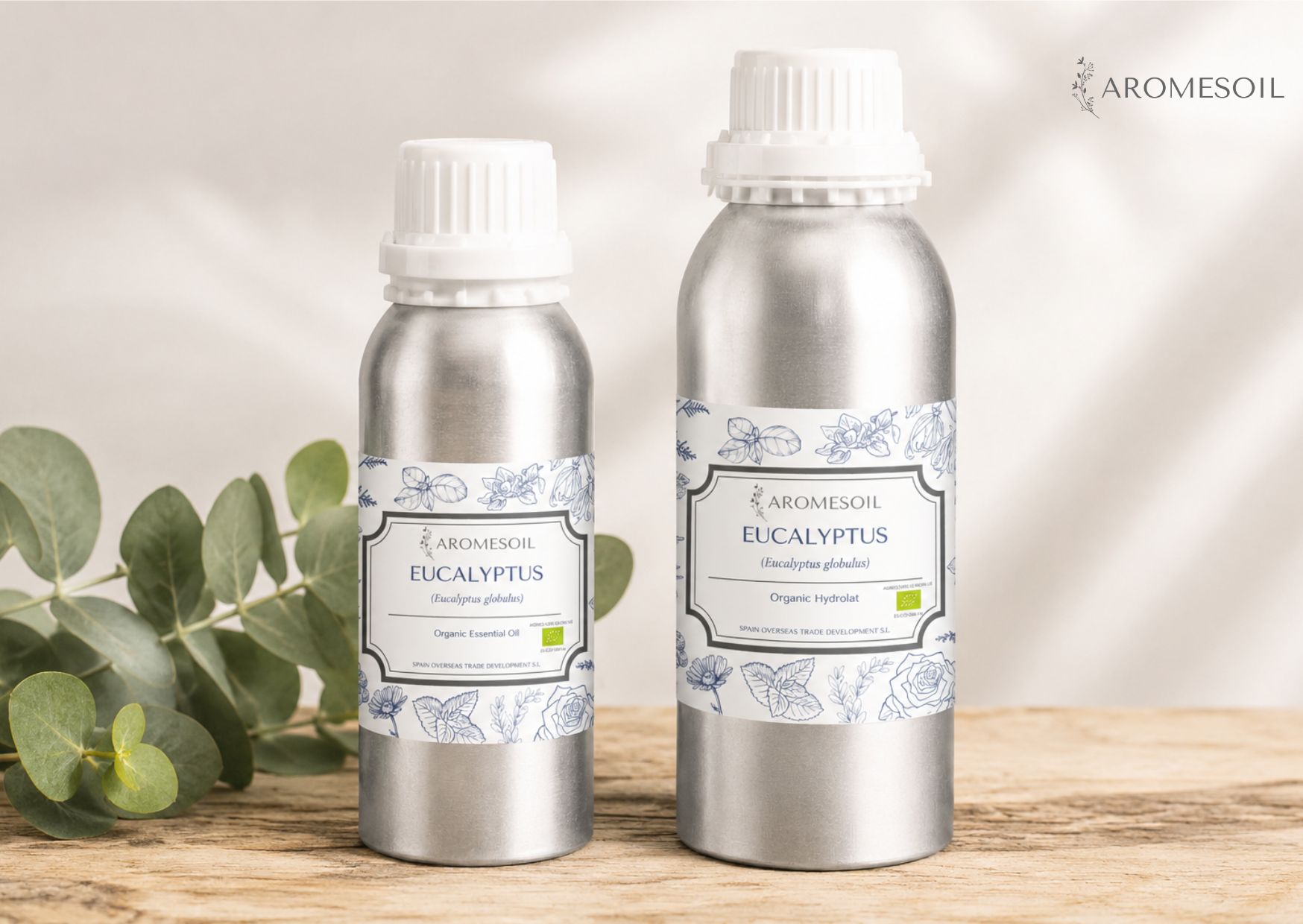
At AROMESOIL, we supply premium-quality steam-distilled essential oils and aromatic hydrosols with full batch traceability, analytical documentation, and consistent production standards. Whether you’re developing skincare, personal care, aromatherapy, home fragrance, or industrial products, our team can help you select the most suitable botanical ingredients for your formulations.