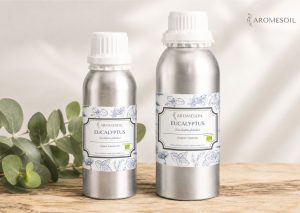
Choosing between steam distilled and cold pressed essential oils can directly affect the quality, aroma, stability, and performance of your final product. Whether you manufacture cosmetics, soaps, candles, personal care products, or wellness formulations, understanding the differences between these extraction methods is essential for selecting the right oil for your application.
Both methods produce high-quality essential oils, but each offers unique advantages depending on the intended use, formulation requirements, and ingredient goals.
What Are Steam Distilled Essential Oils?
Steam distilled essential oils are extracted by passing steam through plant material such as leaves, flowers, bark, roots, or wood. The heat releases volatile aromatic compounds, which are then cooled and separated into essential oil and hydrosol.
Steam distillation is one of the most widely used extraction methods in the essential oil industry because it works with a broad range of botanicals and produces highly concentrated aromatic oils.
Common steam distilled oils include lavender, peppermint, eucalyptus, rosemary, tea tree, and frankincense.
Advantages and Disadvantages of Steam Distillation
Steam distillation is preferred for many commercial and cosmetic applications due to its consistency and scalability. However, it also has certain limitations depending on the plant material used.
Advantages of Steam Distilled Essential Oils
Steam distilled oils are often valued for their purity, stable aroma profile, and lower oxidation risk. Key advantages include:
- Suitable for many plant types including herbs, woods, and flowers
- Produces concentrated aromatic compounds
- Typically offers longer shelf life when stored correctly
- Lower risk of unwanted waxes or heavy residues
- Commonly used in skincare, haircare, soaps, and aromatherapy
This extraction method also allows manufacturers to maintain batch consistency, which is important for large-scale product formulation.
Disadvantages and Limitations of Steam Distillation
Despite its advantages, steam distillation may not preserve every delicate compound naturally present in the raw botanical material.
Some potential limitations include:
- Heat-sensitive compounds can degrade during processing
- Certain citrus aromas may become less fresh or vibrant
- Energy-intensive production process
- Not ideal for all fruits or delicate peels
For products that rely heavily on bright citrus top notes, alternative extraction methods may sometimes provide a more authentic scent profile.
What Are Cold Pressed Essential Oils?
Cold pressed essential oils are extracted mechanically without significant heat. This method is most commonly used for citrus fruits, where the oil is obtained directly from the peel.
The process helps preserve the fresh aroma and natural compounds found in the fruit rind. Popular cold pressed oils include orange, lemon, lime, grapefruit, and bergamot.
Because no steam or high temperatures are used, cold pressed oils often retain a vibrant and realistic citrus scent.
Advantages and Disadvantages of Cold Pressed Essential Oils
Cold pressing is widely used in citrus oil production because it preserves aromatic freshness. However, formulators must also consider stability and oxidation factors.
Advantages of Cold Pressed Essential Oils
Cold pressed oils are appreciated for their natural freshness and full-bodied aroma profile.
Benefits include:
- Bright, fresh citrus aroma
- Minimal heat exposure during extraction
- Retains more naturally occurring peel compounds
- Popular for fragrance-focused formulations
- Excellent for soaps, candles, perfumes, and home fragrance
Many formulators choose cold pressed citrus oils when scent authenticity is the primary goal.
Disadvantages and Formulation Risks of Cold Pressed Essential Oils
Cold pressed oils can be more sensitive to oxidation and environmental exposure.
Potential concerns include:
- Shorter shelf life compared to many steam distilled oils
- Greater oxidation risk over time
- May contain naturally occurring heavier compounds from the peel
- Some citrus oils require careful formulation considerations in leave-on products
- Storage conditions are especially important
Proper packaging, antioxidants, and controlled storage can help improve stability.
Key Differences Between Steam Distilled and Cold Pressed Essential Oils
Although both methods produce essential oils, the extraction process significantly affects the final product.
Extraction Method
Steam distilled essential oils are produced using steam to release aromatic compounds from plant material, while cold pressed oils are mechanically extracted without significant heat. The extraction method affects the oil’s aroma, stability, and overall composition.
Plant Material Used
Steam distillation works with flowers, herbs, roots, bark, wood, and leaves, while cold pressing is mainly used for citrus peels.
Aroma Profile
Steam distilled oils often smell cleaner and more refined, while cold pressed oils typically have a fresher and more vibrant citrus aroma.
Chemical Composition
Extraction temperature and processing methods influence the natural chemical makeup of each oil, affecting scent, stability, and formulation compatibility.
Heat Exposure and Compound Sensitivity
Steam distillation involves heat exposure, which may alter some delicate compounds. Cold pressing avoids high temperatures and preserves more peel-based aromatics.
Shelf Life and Oxidation Risk
Steam distilled oils generally have better oxidative stability. Cold pressed citrus oils are more prone to oxidation and usually require stricter storage practices.
Phototoxicity Considerations
Certain citrus oils may require additional formulation awareness depending on concentration and intended product use. Reviewing supplier documentation and usage guidelines is important when formulating leave-on applications.
Purity, Testing and Documentation
Reliable suppliers should provide documentation such as:
- GC/MS testing
- Batch traceability
- Allergen information
- Technical data sheets
- Safety documentation
Consistent documentation helps manufacturers maintain ingredient quality and formulation reliability.
Cost and Bulk Availability
Steam distilled oils vary widely in cost depending on botanical yield. Cold pressed citrus oils are often more cost-effective due to higher oil availability from fruit peels.
Best Applications by Product Type
Steam distilled oils are commonly used in:
- Skincare
- Haircare
- Aromatherapy
- Massage oils
- Personal care products
Cold pressed oils are frequently used in:
- Candles
- Soap
- Home fragrance
- Citrus-based scents
- Cleaning products
Which Extraction Method Should Wholesale Buyers Choose?
The best choice depends on your product category, desired aroma profile, stability requirements, and manufacturing goals.
Best Option for Cosmetics and Personal Care Products
Steam distilled essential oils are often preferred for cosmetics and personal care products because they typically offer better stability, consistency, and compatibility with a wide range of formulations.
Best Option for Aromatherapy and Wellness Products
Steam distilled oils are often preferred for wellness and aromatherapy formulations because of their consistency and broad botanical variety.
Best Option for Candles, Soaps and Home Fragrance
Cold pressed citrus oils are popular for fragrance-heavy products due to their vibrant scent and natural citrus character.
Best Option for Cleaning and Industrial Formulations
Both extraction methods can work well depending on the formulation. Citrus oils are frequently used in cleaning products for their fresh scent profile, while steam distilled oils may provide more stable aromatic performance.
Common Mistakes When Comparing Cold Pressed and Steam Distilled Oils
Many buyers assume one extraction method is universally superior, but the right choice depends on the final application.
Assuming One Extraction Method Is Always Better
Neither extraction method is universally better. The ideal choice depends on the product type, desired aroma profile, ingredient stability, and formulation goals.
Ignoring Shelf Life and Oxidation Risk
Failing to consider oxidation stability can affect product quality, aroma, and storage performance over time.
Overlooking Phototoxicity in Citrus Oils
Some citrus oils require careful formulation review, especially in products intended for extended skin exposure.
Buying on Price Without Checking Documentation
Low-cost oils without proper testing or documentation may lead to inconsistent quality and formulation challenges.
FAQs About Steam Distilled vs. Cold Pressed Essential Oils
Is Steam Distillation Better Than Cold Pressing Essential Oils?
Steam distillation is not necessarily better than cold pressing. Steam distilled oils are generally more stable, while cold pressed oils are valued for their fresh and vibrant citrus aroma. The best option depends on the intended application.
What Are the Advantages and Disadvantages of Steam Distillation?
Steam distillation offers broad botanical compatibility, stable aromatic profiles, and strong scalability. However, heat-sensitive compounds may be partially altered during extraction.
Are Cold Pressed Oils Better Than Steam Distilled Oils?
Cold pressed oils are not necessarily better, but they may be preferred when a fresh citrus aroma is desired. The ideal option depends on the formulation goal.
Why Are Most Cold Pressed Essential Oils Citrus Oils?
Citrus peels naturally contain high concentrations of aromatic oils that can be mechanically extracted without steam or solvents.
Do Steam Distilled Essential Oils Last Longer Than Cold Pressed Oils?
In many cases, yes. Steam distilled oils often show better oxidative stability, while cold pressed citrus oils may oxidize more quickly if not stored properly.
Get Support Choosing the Right Oil for Your Product
Selecting between steam distilled and cold pressed essential oils depends on your formulation goals, target aroma profile, product category, and stability requirements. Working with a trusted bulk supplier can help ensure consistent quality, reliable documentation, and suitable ingredient selection for your manufacturing needs.