Learning how to use essential oil in sauna settings helps create a balanced aromatic experience without making the scent too strong.
For spas, hotels, gyms and wellness centers, aroma is part of the guest experience.
This guide covers safe methods, suitable oils and sourcing criteria for professional wellness projects.
Why use essential oils in a sauna?
Essential oils add a natural aromatic layer to the heat and atmosphere of a sauna.
A good scent can make the room feel fresh, clean, relaxing or more premium.
For wellness businesses, aroma also supports brand perception. A consistent scent can help guests connect the sauna with a specific mood, treatment or experience.
The key is moderation. In a hot and enclosed room, even a high-quality oil can feel too intense if the dosage is too high.
Aromatherapy oils can help create:
- A fresh and clean sauna atmosphere.
- A softer spa-like experience.
- A more memorable wellness ritual.
- A consistent scent identity for commercial spaces.
How to use essential oils in a sauna safely
Using aromatic oils in sauna environments should be simple, but controlled.
These oils are concentrated extracts, so they should not be handled like regular fragrance water.
Before adding any scent, check the sauna manufacturer’s instructions and avoid placing oils directly on heaters, electrical elements or hot stones.
Dilute essential oils before adding them to sauna water
The safest starting point is to dilute a few drops of oil in water before introducing the aroma into the sauna.
This helps spread the scent more evenly and reduces the risk of an overpowering smell.
The right amount can depend on:
- Sauna size.
- Ventilation.
- Oil intensity.
- Whether the room is private or shared.
- How often the sauna is used.
For professional use, it is better to start with less and adjust gradually.
Use the bucket and ladle method
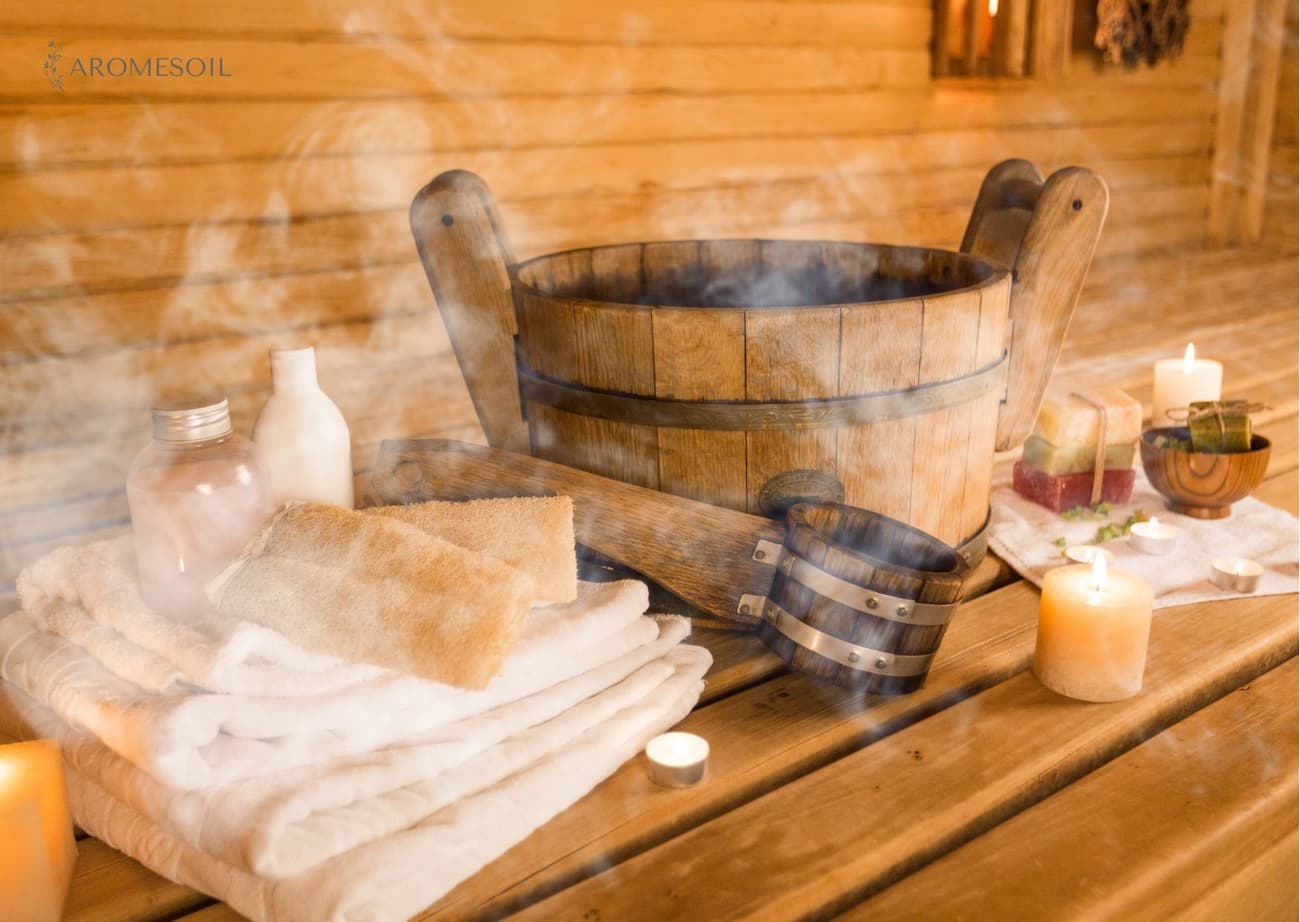
The bucket and ladle method is one of the most common ways of using essential oils in sauna sessions.
Add water to the sauna bucket, mix in a small number of drops and use the ladle to pour the diluted water carefully, following the sauna manufacturer’s guidance.
This method works well in traditional saunas when users or staff understand the correct dosage.
The goal is not to create a strong burst of fragrance. It is to release a gentle aromatic steam that feels pleasant during the session.
Try the aroma cup or diffuser bowl method
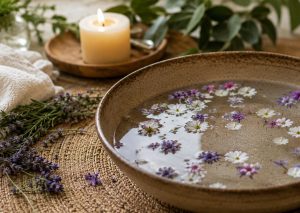
An aroma cup or heat-safe diffuser bowl can offer a softer and more controlled scent release.
Instead of pouring aromatic water directly onto sauna stones, the bowl allows the aroma to disperse more gradually.
This can be useful for commercial wellness spaces, where consistency matters and guests should not be able to add too much oil by themselves.
It is also a good option when the business wants a more subtle sauna aroma.
Use the damp towel method for a softer aroma
The damp towel method is helpful when a lighter scent is preferred.
Add a very small amount of diluted oil to a damp towel and place it nearby. Avoid applying the towel directly to sensitive skin if the concentration is unclear.
This method can work well for:
- Private spa treatments.
- Relaxation-focused sauna sessions.
- Infrared sauna settings.
- Rooms where oils should not be added to water or stones.
Other posts might be interesting for you
Quick safety checklist before using oils in a sauna
Before adding any oil to a sauna session, review these basic safety points:
- Dilute the oil before use.
- Start with a small number of drops.
- Avoid undiluted oil on hot stones.
- Check sauna equipment instructions.
- Consider guest sensitivity in shared spaces.
- Store bottles away from heat.
- Test the aroma before using it in a commercial setting.
This checklist is especially useful for teams managing public, shared or high-traffic wellness areas.
How to use essential oils in different types of saunas
Not every sauna works the same way. The method should match the equipment, heat source and ventilation of the room.
| Type of sauna | Recommended approach | Practical note |
| Traditional sauna | Diluted aromatic water, bucket and ladle, or aroma bowl | Do not apply undiluted oil directly to hot stones. |
| Steam sauna | Approved aroma system or diluted aromatic solution | Check steam generator guidance before adding oils. |
| Infrared sauna | Damp towel, external diffuser or sauna-safe accessory | Avoid placing oils on heaters or electrical components. |
Traditional sauna
In a traditional sauna, essential oils are often used with aromatic water and steam.
The oil should be well diluted before use. A few drops in water can be enough, depending on room size and scent intensity.
Do not drop pure oil directly onto hot stones. This can create an unpleasant or irritating vapor and may not be suitable for the equipment.
Steam sauna
If you are researching how to use essential oils in steam sauna environments, first check whether the system supports aromatherapy.
Some steam rooms may have specific aroma accessories. Others may not be designed for oils at all.
Where oils are suitable, they should be used through an approved system or in a properly diluted format.
This is especially important in commercial spaces, where guest comfort and equipment care both matter.
Infrared sauna
Infrared saunas do not work like steam-based saunas. They use infrared heat, so the aroma method should be different.
A damp towel, external diffuser or sauna-safe aroma accessory may be more appropriate.
Avoid placing oils directly on infrared heaters or electrical components. A light scent is usually enough because the aroma can stay in the room longer than expected.
Best essential oils for sauna sessions
The best essential oils for sauna use usually have clear, pleasant and recognizable aromas.
For B2B buyers, the best option is not only the oil that smells good. It is the oil that fits the customer profile, the sauna setup and the intended experience.
| Essential oil | Aroma profile | Possible sauna experience |
| Eucalyptus | Fresh, green, crisp | Clean and refreshing atmosphere |
| Peppermint | Minty, bright, intense | Energizing aromatic profile |
| Rosemary | Herbal, camphoraceous | Fresh wellness atmosphere |
| Lavender | Floral, soft, familiar | Calm and gentle sauna setting |
| Lemon or citrus oils | Bright, zesty, clean | Lighter and more uplifting scent |
| Tea tree | Herbal, sharp, clean | Fresh and purifying aroma impression |
| Pine-like oils | Woody, resinous, forest-like | Natural outdoor-inspired atmosphere |
For a fresh atmosphere
Eucalyptus, peppermint and rosemary are often chosen when the goal is a clean and fresh sauna scent.
These oils can work well in gyms, spas and wellness centers that want a crisp aromatic profile.
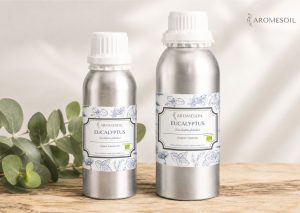
For example, eucalyptus essential oil can help create a green and refreshing scent.
Peppermint essential oil has a stronger minty profile, so it should be used carefully and in small amounts.
For a softer aromatic profile
Lavender and citrus oils are useful when the desired atmosphere is softer, brighter or more familiar.
A lavender essential oil can fit relaxation-focused spaces, hotel wellness areas or spa cabins.
Citrus oils may add a clean and uplifting tone, when appropriate for the setting and dosage.
Tea tree, pine and other sauna-friendly aromas
Tea tree, pine and woody aromas can also be considered for sauna spaces.
They tend to create a natural, clean or forest-inspired feeling.
For commercial projects, the right choice depends on:
- Brand positioning.
- Guest expectations.
- Scent intensity.
- Frequency of use.
- Whether the sauna is private, shared or public.
Essential oil safety rules for sauna use
Safety should guide every decision when using oils in high-temperature spaces.
This is especially important in shared or professional environments where different guests may react differently to scent.
Never apply undiluted oils directly to hot stones
Undiluted essential oils should not be poured directly onto hot stones, heaters or sauna equipment.
They are highly concentrated and may create a scent that feels too strong, unpleasant or irritating.
Dilution is safer and more controlled. It also avoids wasting oil, because a small amount can be enough in a heated room.
Start with a small amount
With sauna aromatherapy, more oil does not mean a better experience.
Start with a low number of drops, test the result and adjust only if needed.
This is especially important with intense oils such as:
- Peppermint.
- Eucalyptus.
- Tea tree.
- Rosemary.
These oils can dominate the room quickly if the dosage is too high.
Avoid direct skin contact inside the sauna
Essential oils should not be applied directly to the skin inside the sauna.
Heat can make the skin feel more sensitive, and concentrated oils may cause discomfort or irritation.
If topical use is part of a spa treatment, it should be handled with proper dilution and professional guidance.
Be careful in shared or public sauna spaces
In public or shared saunas, not every guest will enjoy the same aroma.
Some people may be sensitive to strong scents. Others may have allergies, respiratory concerns or personal preferences.
For commercial spaces, it is useful to have:
- A clear aroma protocol.
- Moderate scent levels.
- Staff training.
- Guest feedback.
- Safe storage away from heat.
How to choose sauna essential oils for professional use
For essential oils buyers, choosing the best sauna essential oils is not just about fragrance.
Professional use requires consistency, documentation, reliable supply and a scent profile that fits the customer experience.
Purity, consistency and supplier reliability
Professional wellness spaces should look for oils that are clearly labeled and suitable for their intended use.
A reliable supplier can help businesses maintain the same aromatic profile over time.
When sourcing sauna oils, consider:
- Purity and product information.
- Batch-to-batch consistency.
- Available documentation.
- Packaging and storage needs.
- Minimum order requirements.
- Support for larger or recurring orders.
If your business needs regular stock, bulk essential oils for professional sauna experiences can make sourcing easier and more consistent.
Organic vs conventional essential oils
Organic essential oils may be preferred by brands focused on natural, eco-conscious or premium wellness positioning.
Conventional essential oils can also be suitable when quality, documentation and aromatic consistency meet the needs of the project.
The best choice depends on the business model, budget, target customer and product requirements.
Aromesoil offers both organic essential oils for wellness spaces and conventional essential oils for aromatherapy products, so businesses can compare options based on their own criteria.
Common mistakes when using essential oils in sauna
A good sauna aroma experience often depends on avoiding simple mistakes.
These are the most common:
- Using undiluted essential oils on hot stones or heaters.
- Adding too many drops in a small sauna.
- Choosing synthetic fragrances instead of pure essential oils.
- Bringing oil bottles inside the sauna.
- Ignoring guest sensitivity in shared spaces.
- Using the same method for every sauna type.
- Adding oils without checking equipment guidance.
- Using strong oils without testing the scent first.
For commercial spaces, these mistakes can affect comfort, consistency and guest perception.
A clear internal protocol helps keep the experience pleasant, safe and easier to repeat.
FAQs about using essential oils in sauna
Can you put essential oils directly on sauna stones?
No. Avoid putting undiluted essential oils directly on sauna stones.
Dilute the oil in water first and follow the sauna manufacturer’s instructions.
How many drops of essential oil should you use in a sauna?
Start with a few drops diluted in water.
Then adjust carefully according to sauna size, ventilation and oil intensity.
What are the best oils for sauna aromatherapy?
Popular options include eucalyptus, peppermint, lavender, rosemary, lemon, tea tree and pine-like aromas.
The best choice depends on whether the goal is a fresh, soft, clean or forest-inspired atmosphere.
Can you use essential oils in a steam sauna?
Yes, when the equipment and setting allow it.
Use an approved method, avoid direct contact with the steam generator and keep the aroma properly diluted.
Are essential oils safe for commercial sauna spaces?
They can be used in commercial sauna spaces when handled carefully.
Businesses should choose suitable oils, avoid excessive dosage, consider guest sensitivity and follow equipment guidance.
Create a professional sauna aroma experience with quality essential oils
Knowing how to use essential oils in a sauna helps create a better aromatic experience without overwhelming guests or damaging equipment.
For spas, hotels, gyms and wellness brands, essential oils can become part of a more memorable customer journey.
The priority is to choose pure, consistent and well-documented oils that fit the atmosphere you want to create.
If your business is looking for reliable sourcing, explore Aromesoil’s range of essential oils to find the right option for your sauna or wellness project.